
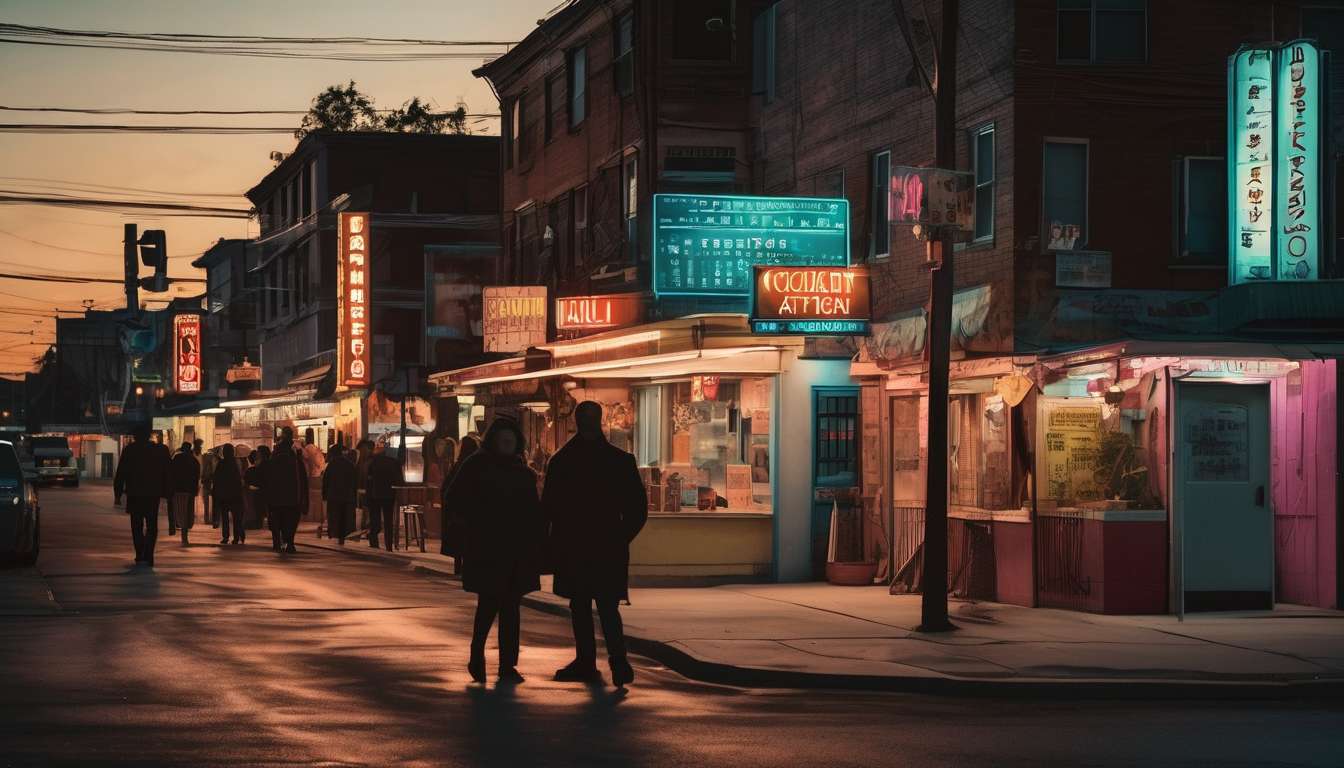
Local regulations create different markets for adult entertainment
"Houses of glass reflect different laws," a local activist once told us, and that image captures how regulations shape adult entertainment across cities.
Zoning lines, licensing fees, and hours-of-operation ordinances carve distinct marketplaces where similar businesses either flourish or falter. These municipal tools determine where venues can locate, how costly it is to operate, and when they may serve customers.
Municipal codes framed as public-nuisance remedies create economic incentives that push venues toward particular neighborhoods or business models. What appears neutral on paper often produces spatial and commercial effects in practice.
Operators adapt in a variety of ways:
- shifting to private memberships
- offering virtual shows
- rebranding as family-friendly establishments
Workers’ livelihoods and safety depend on which rules apply. Legal classification, enforcement intensity, and available protections shape income stability, working conditions, and access to labor rights.
Unintended consequences include:
- displacement of marginalized workers
- consolidation into corporate chains
- uneven access to legal protections
By comparing regulatory mosaics, interviewing stakeholders, and analyzing enforcement patterns, we aim to show that local lawmaking doesn’t merely regulate adult entertainment—it remakes the market itself, with deep social and economic ramifications.
Zoning and Spatial Segregation
We examine how zoning laws and permitting systems concentrate adult entertainment venues into specific districts, shaping where businesses locate and how communities respond.
Zoning creates clear boundaries.
- It channels clubs into particular corridors or industrial edges.
- This alters foot traffic, visibility, and neighborhood character.
Licensing processes interact with zoning maps.
- Some areas become easier to enter; others are effectively off-limits.
- The combination of zoning and licensing determines who can operate where.
This matters because it affects economic opportunity and social inclusion.
- Workers and proprietors seek dignity and safety.
- Restrictive placement or opaque permitting can limit livelihoods and increase vulnerability.
We push for policies that treat zoning and licensing as tools to support worker safety rather than mechanisms of exclusion.
- Implement well-lit districts and ensure emergency services access.
- Create proximity rules that avoid isolating venues (instead of pushing them to remote edges).
- Design licensing processes that are clear, timely, and nondiscriminatory.
We advocate collaborative planning so communities can create belonging.
- Residents, business owners, and performers should shape district rules together.
- Participatory processes increase legitimacy and responsiveness.
When zoning and licensing are applied transparently and with input, they can reduce harm, improve safety, and foster neighborhoods where people feel respected and connected.
Licensing and Cost Barriers
Problem: complex, costly licensing creates exclusion.
Many fees, complex application steps, and unpredictable renewals create real barriers that push small operators and workers out of the regulated market.
We see how zoning rules intersect with licensing regimes to multiply costs: moving to comply with location limits can trigger new permits, higher rents, and repeated inspections.
We don’t want anyone left feeling excluded; we want a community where operators can participate without being bankrupted by process.
Solutions we advocate.
- Simplify fee schedules so charges are predictable and proportional.
- Offer tiered licenses that scale requirements and costs to venue size and risk.
- Provide clear timelines for each stage of application and renewal so applicants can plan.
- Support fee waivers or low-cost pathways for small venues and worker-run cooperatives.
- Provide administrative assistance to help applicants navigate paperwork and compliance.
Expected benefits.
- Higher worker safety, because staff are more likely to engage with training, complaint mechanisms, and health resources when licensing is affordable and transparent.
- Reduced unsafe informal activity, as fewer operators are forced to operate underground.
- Strengthened trust between regulators and participants through fair, predictable processes.
- A more equitable market, shaped by fair rules rather than arbitrary financial obstacles.
Hours and Operational Limits
Set clear, evidence-based hours and operational limits to balance community concerns with predictable, livable schedules for performers and staff.
Consistent rules build trust. By aligning zoning and licensing conditions with community needs, we can prevent arbitrary closures and late-night unpredictability that disrupt lives. Clear operating windows reduce noise and neighborhood impacts while ensuring workers can plan childcare, healthcare, and second jobs.
Design limits using local data.
- Use traffic, crime patterns, and community feedback to set practical curfews rather than punitive ones.
- Tailor hours geographically and seasonally where appropriate, based on measured impacts.
Require operational plans in licensing applications.
- Lighting plans to ensure safe entry/exit for workers and patrons.
- Security plans to protect worker safety during opening and closing times.
- Staffing plans that account for shift changes and safe travel.
Create fair appeals and variance processes.
- Provide a transparent mechanism for small businesses and performers to request flexibility.
- Ensure hearings are timely and accessible so applicants feel heard and included.
Center fairness and safety to sustain a shared market. When operators, employees, and neighbors share responsibility, enforcement is less likely to fragment lives and livelihoods, and the community builds belonging and predictable economic opportunity.
Classification and Legal Status
Define clear classifications by activity, audience, and service level.
We should group venues into logical categories such as theaters, nightclubs, and private clubs, with each category described by the primary activity, typical audience, and level of service.
This shared framework ensures inclusivity and makes it easier for regulators, operators, and workers to understand where a given venue belongs.
Link classifications to consistent zoning and land-use rules.
For each category, specify zoning rules and buffer requirements so similar businesses face similar location limits.
Consistent categories allow for predictable application of location restrictions, permitting equitable enforcement and clearer planning decisions.
Tie each classification to specific licensing conditions.
For every category, list required permit types, renewal schedules, and operational conditions.
Examples of licensing conditions include:
- Required permits and permit tiers.
- Renewal frequency and criteria.
- Hours of operation and noise or occupancy limits.
Integrate worker safety and workplace protections into licensing criteria.
Make worker safety a licensing prerequisite by requiring documented protections such as:
- Health checks and access to medical resources.
- Clear anti-harassment policies and reporting procedures.
- Safe-exit plans and emergency-response protocols.
Make legal status transparent and predictable.
By publishing classifications, licensing requirements, and enforcement consequences, regulators:
- Help operators plan compliance and business development.
- Enable workers to understand workplace rules and their rights.
- Improve public trust through transparent, enforceable rules.
Specify enforcement consequences and appeal mechanisms.
For each classification and license condition, state the range of enforcement actions (warnings, fines, suspensions, revocations) and provide a clear appeals process so all parties understand consequences and remedies.
Outcome: responsible operations and protected workers.
A clear, category-based system with linked licensing and integrated safety standards creates a welcoming regulatory environment in which businesses can operate responsibly and workers can rely on recognized, enforceable protections.
Enforcement Patterns and Discretion
Many enforcement outcomes hinge on how officials interpret rules and exercise discretion.
We should examine patterns in inspections, citations, and selective enforcement to ensure fairness and predictability.
Zoning and licensing frameworks vary:
- Some jurisdictions have clear checklists that enable consistent application.
- Others rely on broad interpretation, which shapes which venues get prioritized for inspections.
Consistent application is essential.
- Community members and workers should feel secure and included rather than targeted.
- Sporadic or politically influenced enforcement creates uncertainty about worker safety and legal exposure.
We advocate for transparent protocols and accessible remedies:
- Publicize inspection schedules.
- Establish clear appeal mechanisms.
- Create avenues for stakeholder participation.
Collect and share enforcement data to reveal disparities:
- Citations (types and outcomes)
- Origins of complaints (e.g., neighbor, worker, anonymous)
- Enforcement frequency by area and venue type
Insisting on procedural clarity and community input will reduce arbitrary actions, protect worker safety, and promote uniform application of licensing and zoning rules.
The goal: build a more equitable regulatory environment where everyone belongs.
Business Model Adaptations
Many venues have adapted their business models to respond to regulatory pressures and changing demand.
We shift hours, reconfigure spaces, and offer virtual services so operations can continue within evolving constraints.
We treat zoning maps and licensing requirements as the rules of play, not insurmountable barriers.
By reading local rules together, we understand the constraints and opportunities those rules create.
By pooling knowledge, we redesign physical and operational elements to comply while staying functional.
- We modify layouts to satisfy setback rules and occupancy limits.
- We create multiuse areas that maximize usable space.
- We stagger schedules to align with permitted hours.
We diversify revenue streams to reduce vulnerability to regulatory changes.
- Membership programs
- Private events
- Online content and virtual services
Worker safety remains central to design and policy choices.
We embed safe-exit plans and clear communication protocols into operations without providing legal advice about rights.
Adapting this way strengthens our shared identity and resilience.
We support one another’s innovations, navigate licensing hurdles together, and build venues that meet regulatory demands while serving the people who belong here.
Worker Safety and Rights
We prioritize the safety, dignity, and legal rights of everyone who works in our spaces and make policies that reflect those commitments.
We recognize that zoning and licensing rules shape where and how people can work, so we engage with local processes to push for clear, humane requirements.
We insist that licensing procedures protect privacy and avoid punitive measures that drive work underground.
We design workplace protocols — from check-in systems to incident reporting and access to security — that center worker safety and consent.
We build peer-led training, shareable resources, and partnerships with legal and health services so everyone feels supported, seen, and capable of asserting rights.
We collect anonymous feedback to monitor how regulations affect day-to-day safety and advocate for changes when rules harm workers.
By staying organized and speaking with one voice to regulators, we reclaim a seat at the table and ensure that zoning and licensing foster safe, respectful workplaces rather than marginalize the people who make this industry possible.
Market Concentration Effects
Many concentrated markets — whether dominated by a few large venues or a handful of booking platforms — shape pricing, bargaining power, and the everyday options available to performers and small operators.
Zoning restrictions and uneven licensing requirements can push activity into a small number of compliant venues, concentrating revenue and decision-making. This often leaves performers and independent operators with fewer choices and less leverage, even as they seek community and mutual support.
High concentration has mixed effects on worker safety.
- Larger operators may afford security and training.
- Larger operators can also standardize practices that sideline individual needs.
Policy responses we advocate for:
- Streamlined, transparent licensing.
- Flexible zoning that allows diverse entrants.
- Mandatory safety standards that follow best practices.
By working together, we can reduce harmful market power while keeping spaces where performers feel respected, safe, and connected.
How do local regulations for adult entertainment affect neighboring residential property values and long-term neighborhood demographics?
Research question: We’re asking how local regulations for adult entertainment affect neighboring residential property values and long-term neighborhood demographics.
Main findings: We find that stricter zoning and licensing tend to stabilize property values and attract longer-term residents, while permissive rules can depress nearby values and shift demographics toward more transient populations.
Policy recommendation: We’ll advocate for community-informed policies that balance business rights with resident wellbeing, aiming to build inclusive, stable neighborhoods together.
What role do community advocacy groups (both for and against adult entertainment venues) play in shaping local regulatory decisions and public opinion?
We see community advocacy groups shaping decisions and opinion by organizing residents, presenting research, and lobbying councils.
We spotlight safety, zoning, or free‑speech concerns to build coalitions.
We listen, share stories, hold meetings, and run campaigns that influence media and policymakers.
We also negotiate compromises, propose conditions, and mobilize voters.
We know our networks matter, and we use them to make venues accountable while protecting community cohesion.
How do online and digital platforms (e.g., cam sites, social media, delivery-style adult services) interact with or circumvent local brick-and-mortar regulations?
We use online platforms to reach clients beyond local restrictions.
We adapt by using cam sites, social media, and delivery-style services to operate where brick-and-mortar limits bite.
We organize collectively to share resources and knowledge.
We’ll form groups to share resources, safety practices, and legal information.
We push for sensible digital protections and leverage platform policies.
We’ll advocate for legal and policy protections online, while also using platforms’ rules and tools to our advantage.
We support peers facing enforcement or censorship to maintain community resilience and inclusion.
We’ll offer mutual aid and solidarity when members face enforcement, deplatforming, or other harms.
Conclusion
You’ve seen how local regulations shape adult entertainment by carving distinct markets through zoning, licensing, hours, and legal classification.
These rules raise costs and push businesses toward concentrated districts or adaptive models, while enforcement discretion affects outcomes unevenly.
Workers’ safety and rights often hinge on local policy choices.
Ultimately, the patchwork of regulations creates winners and losers — affecting access, public order, industry structure, and the wellbeing of performers and staff.
