
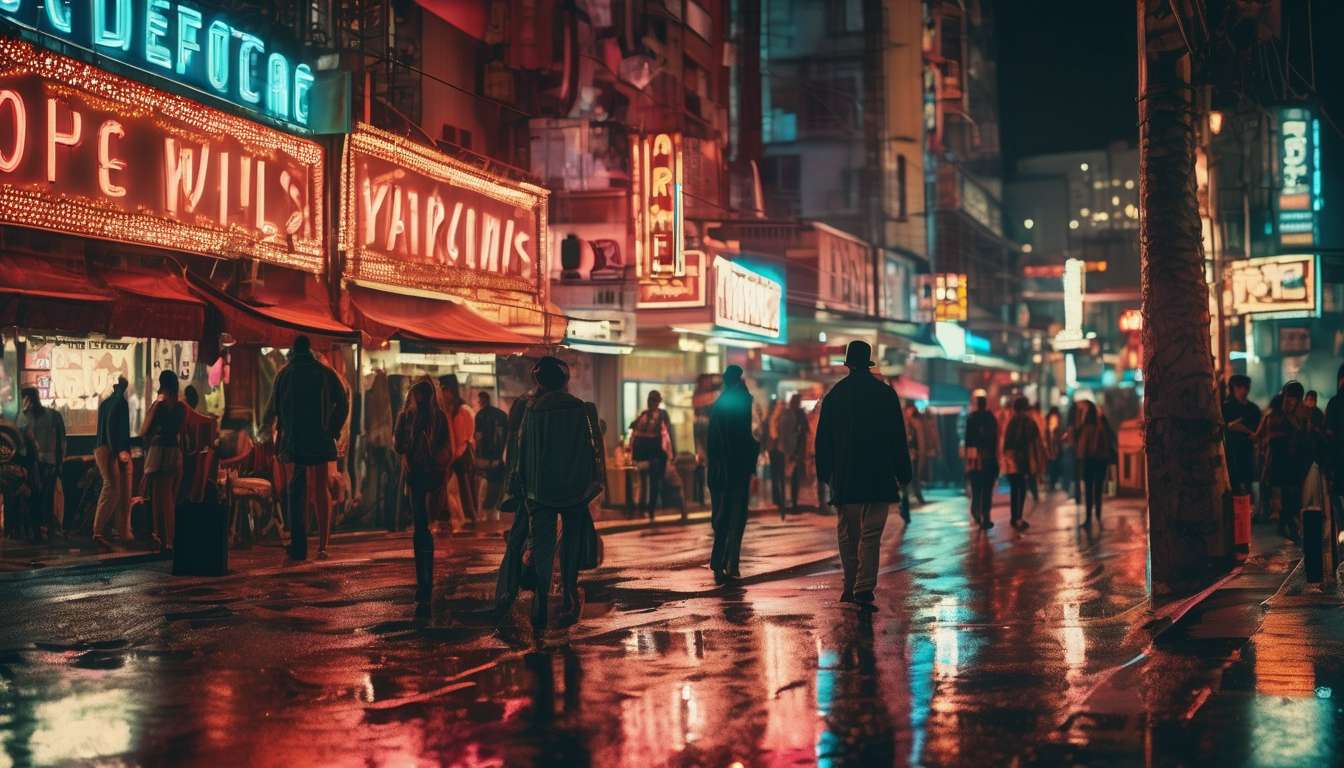
Urban development plans affect established adult entertainment districts
Knowledge that municipal zoning changes displaced 42 percent of designated adult-entertainment venues in the last decade jolts us into reevaluating what we call progress.
We must balance economic development goals with the livelihoods of performers, proprietors, and surrounding communities that have coexisted for decades.
As planners redraw maps and developers pitch mixed-use projects, neighborhoods morph—sometimes through investment, sometimes through erasure.
Licensing revocations, rising rents, and targeted redevelopment corridors reshape social networks, night economies, and the informal support systems that many workers rely on.
We must ask who is centered in public meetings and which narratives gain legal protection.
- Which stakeholders are heard?
- Whose cultural histories are weighed against tax revenue projections?
Throughout this analysis, we commit to tracing policy decisions back to their human consequences.
- Map the interplay between urban design and marginal livelihoods.
- Aim for planning that seeks equitable outcomes rather than inadvertent displacement.
Policy Changes and Zoning
Overview of the issue
We’ll examine how recent policy changes and zoning revisions are reshaping where and how adult entertainment venues can operate.
Zoning as a tool — and its social effects
We’re seeing zoning reform framed as a tool to manage land use, but it often changes the social geography of our neighborhoods.
How regulations redirect venues
We’ll describe how buffer zones, permit restrictions, and conditional-use requirements push venues away from certain corridors and concentrate them elsewhere, sometimes triggering displacement of long-standing businesses and communities.
Impacts beyond maps
We’re mindful that these shifts don’t just alter maps — they affect livelihoods and a sense of belonging.
Advocacy and worker protections
Advocates are pushing for worker protections alongside land-use changes, proposing policies that tie licensing to safety standards, anti-retaliation measures, and pathways for stable employment.
Call for collaborative planning
We’ll urge planners and residents to collaborate so reforms don’t fragment the communities we value.
Centering affected people in decisions
We’ll insist that zoning conversations include affected workers and business owners, so changes balance neighborhood goals with dignity, stability, and fairness.
Economic Pressures
Many adult venues are struggling as rising rents, shifting consumer habits, and tighter financing squeeze their margins and force owners to rethink long-term viability.
We’re seeing economic pressures compound when zoning reform redirects investment and changes permissible uses, making it harder for longtime businesses to compete.
Together, we feel the anxiety of potential displacement as landlords chase higher returns and developers target parcels once home to neighborhoods of performers, staff, and patrons.
We want solutions that keep our community intact:
- Coordinated advocacy
- Shared resources
- Municipal policies that balance growth with cultural preservation
We also recognize the need for stronger worker protections so those who depend on these venues aren’t left vulnerable during transitions.
By organizing, sharing data on economic impacts, and engaging in planning conversations early, we can push for mitigation measures that reduce harm:
- Rent stabilization
- Relocation assistance
- Community benefits agreements
We’ll push back against one-size-fits-all approaches and insist that development include protections that sustain people, livelihoods, and the social networks that define our districts.
Licensing and Regulation
Many venues face a maze of licensing requirements and inconsistent enforcement that shape who can operate, where, and under what conditions. We navigate overlapping permits, variable inspection routines, and fees that often feel arbitrary. We need clear pathways so our community can plan with confidence.
When officials propose zoning reform, we must be at the table so changes reflect lived experience rather than a one-size-fits-all approach that risks fragmentation. Participation in reform discussions ensures policies consider real operating conditions.
We are committed to compliance, but expect consistent, transparent enforcement that doesn’t single out our businesses or workers. Collective advocacy for reasonable timelines, fee structures, and appeal processes matters because it builds shared protections and reduces uncertainty.
Explicit worker protections should be embedded in licensing rules, including:
- Safety standards
- Anti-retaliation measures
- Access to resources and support
These protections prevent individuals from being left vulnerable by policy shifts.
By organizing around sensible regulation, we strengthen our networks and preserve opportunities for responsible operations. This ensures urban policy recognizes us as legitimate stakeholders with a voice in shaping our future.
Displacement Effects
We’re seeing how redevelopment projects and rising rents push venues and workers out of longstanding districts, forcing relocations that break networks and livelihoods.
Displacement isn’t just about buildings being repurposed; it’s about the human cost when dancers, staff, and small-business owners scramble for affordable space and steady income.
Neighbors lose familiar places where they connected, and we want solutions that keep people anchored.
We call for thoughtful zoning reform that recognizes mixed-use needs and creates buffers against abrupt loss.
We also push for worker protections that secure wages, benefits, and right-to-return provisions when redevelopment occurs.
By advocating for community-driven planning and temporary hardship assistance, we can reduce traumatic moves and preserve social supports.
Together we’ll promote policies that balance urban growth with dignity, ensuring those who’ve sustained these districts aren’t erased overnight.
We’ll stand for measures that let everyone belong, work safely, and keep the social ties that make neighborhoods resilient.
Cultural Heritage Loss
We’re losing more than venues—we’re watching the cultural memory, traditions, and shared histories of adult entertainment districts erode as familiar stages, stories, and community rituals disappear.
We feel this loss together: the neon-lit rites, the regulars’ banter, the choreography of late-night life that gave many of us a sense of belonging.
When zoning reform redraws boundaries without regard for cultural continuity, those rituals get fragmented or banned outright.
We’re seeing displacement push performers, staff, and long-standing patrons into precarity, and with them goes oral history and informal apprenticeship that once kept craft and community alive.
That erosion isn’t abstract; it’s the loss of mentorship, coded language, and safe social spaces that affirmed identity.
We’re not opposed to progress, but we insist reforms include measures that respect heritage while improving safety.
Thoughtful zoning reform paired with robust worker protections can preserve cultural memory even as neighborhoods change, so we can keep belonging to a living tradition rather than mourning it.
Community Stakeholder Voices
We amplify the voices of performers, venue owners, residents, and service providers to ensure planning decisions reflect lived experience and local expertise.
We listen for shared concerns about zoning reform that could unintentionally fragment neighborhoods and trigger displacement.
We gather testimony so officials hear how proposals affect everyday life — from affordable housing pressures to limits on where venues can operate.
We build spaces where people belong.
- We facilitate community forums and written submissions that center marginalized perspectives.
- We connect stakeholders with legal and planning resources.
- We encourage coalition-building across interests.
We advocate for inclusive zoning reform that balances neighborhood renewal with protections against displacement and preserves cultural assets.
- We push for transparent processes so residents and business owners can influence timelines, conditions, and mitigation measures.
- We support policies that embed worker protections and prevent concerns from being relegated to the margins.
By insisting on meaningful participation, we aim to shape outcomes that respect local identity and prevent harmful displacement.
Worker Safety and Rights
We prioritize safety, fair pay, and protection from retaliation.
- We prioritize policies and practices that keep performers, staff, and venue workers safe, paid fairly, and able to report hazards without fear of retaliation.
- We insist that zoning reform include explicit worker protections so safety and income stability aren’t sacrificed when neighborhoods change.
We require clear reporting channels and ongoing access to resources.
- We advocate for clear reporting channels, anti-retaliation clauses, and access to health and legal resources that are maintained even as developers push for new uses or higher rents.
We address displacement by preserving livelihoods and community ties.
- We know displacement threatens more than venues; it fractures communities and erodes trust.
- We support transferable permits, community benefit agreements, and funding for workplace safety training to ensure workers stay connected to livelihoods and peer networks.
We make redevelopment conditional on worker-centered protections.
- Require safety plans as part of redevelopment approvals.
- Require fair scheduling and living wages.
- Center worker voices in negotiations and monitor enforcement to ensure commitments are honored.
Our goal is a shared, dignified work environment as districts evolve.
- By centering worker voices in negotiations and monitoring enforcement, we build a shared environment where everyone belongs and can work with dignity, not fear, as districts evolve.
Equitable Planning Strategies
We’ll prioritize planning tools and policies that distribute benefits, limit harm, and ensure longtime residents and workers share in neighborhood improvements.
We center equitable zoning reform that removes arbitrary restrictions on adult businesses while creating clear, fair standards so communities and workers aren’t pushed out by sudden rule changes.
We’ll design anti-displacement measures that keep people we know and trust in their homes and workplaces:
- Rent stabilization
- Community land trusts
- Targeted development incentives
We’ll pair permitting updates with mandatory worker protections, so entertainers and staff can thrive as neighborhoods evolve:
- Safe staffing ratios
- Clear grievance processes
- Access to health and legal resources
We’ll insist on participatory planning processes that give long-term residents and workers real decision-making power, not token input.
We’ll measure success by:
- Retention of community members
- Stable livelihoods
- Shared amenities — not by luxury units added
We’ll fund capacity-building so marginalized voices lead future planning, and we’ll hold developers accountable to binding commitments that prevent displacement and ensure benefits flow to those who built the neighborhood.
How do changes in public transportation routes specifically influence customer patterns for adult entertainment venues?
Research goal: We’re asking how public transit route changes shift customer patterns for adult entertainment venues.
Observed direct effects:
- Ridership changes alter foot traffic. Increases in ridership can make some venues busier; drops can leave others quiet.
- Peak times shift. New schedules and route timings can move busiest hours earlier, later, or to different days.
- Transfers and access barriers deter distant patrons. Additional transfers, longer walks, or poor connections reduce willingness to travel.
- Improved access diversifies audiences. Easier routes and more direct service can bring new customer segments who previously lacked convenient access.
Adaptive strategies venues can use:
- Coordinate promotions with transit schedules to attract riders during newly created peaks or slow periods.
- Adjust operating hours to match shifted peak times or to capture riders arriving from altered routes.
- Advocate for transit stops and service patterns that maintain convenient connections for the community and reduce harmful displacements.
- Market to a broader audience when access improves, tailoring offerings to diversified demographics.
Key takeaway: Transit changes reshape when, where, and who visits adult entertainment venues; proactive coordination with transit timing, promotional adjustments, scheduling flexibility, and advocacy help venues stay connected and thrive.
What are the mental health impacts on performers and staff when a district is facing gradual decline versus sudden closure?
We’re asking how performers and staff cope when a district declines slowly versus shuts abruptly.
Slow, prolonged decline often produces chronic stress, anxiety, isolation, and ongoing financial uncertainty that gradually wears on relationships and professional identity. People describe a slow erosion of morale as budgets shrink, gigs disappear, and routines become unstable.
Sudden closure triggers acute trauma, grief, panic, and rapid economic shock, forcing immediate job searches and abrupt life changes. The pace and intensity of loss can overwhelm coping resources and create urgent practical needs.
Common needs across both scenarios include:
- Community support to counter isolation and sustain morale.
- Accessible mental health care for both long-term stress and acute trauma.
- Peer networks for shared knowledge, referrals, and emotional validation.
- Financial assistance to bridge gaps while people rebuild stability and a sense of belonging.
Implication: Responses should address both the slow-burning effects of prolonged decline and the crisis-management needs of sudden shutdowns, combining ongoing supports (therapy, peer groups, stable funding pathways) with emergency responses (rapid financial relief, job-placement help, crisis counseling).
Are there examples of adaptive reuse where adult entertainment spaces were converted into community-serving facilities while preserving workers’ income?
Yes — there are examples of adaptive reuse where adult entertainment spaces were converted into community-serving facilities while preserving workers’ income.
Common successful approaches include:
-
Transforming venues into artist cooperatives
- Artists rent or own studio/performance space.
- Former workers are often retained as managers, box office staff, or program coordinators.
-
Converting sites to affordable housing with retention funds
- Affordable units are created on site or nearby.
- Retention or transition funds compensate workers during displacement and can provide relocation or job-search support.
-
Creating community centers that hire former staff
- Centers offer programming, outreach, and event management.
- Former employees are rehired for roles that match their skills (hospitality, security, administration).
Supporting mechanisms that preserve income during transitions:
- Revenue-sharing models that allocate a portion of future income to displaced workers.
- Job training programs tailored to transferable skills (customer service, sound/lighting tech, event coordination).
- Tenant protections and phased redevelopment that allow gradual transitions rather than abrupt displacement.
Why these approaches work
- They honor workers’ skills and experience by providing relevant employment pathways.
- They sustain livelihoods through direct hiring, revenue shares, and transition funds.
- They build inclusive neighborhood futures by preserving community ties and creating amenities that serve broader public needs.
Conclusion
You’ve seen how policy shifts, zoning changes, and economic pressures push adult entertainment venues out of established districts, threatening workers’ livelihoods and cultural heritage.
When licensing and regulation aren’t paired with protections, displacement follows and safety erodes.
You can push for equitable planning that centers worker rights, community voices, and harm-reduction measures.
If you advocate for inclusive policies and accountable development, you’ll help preserve both safety and the diverse urban character at stake.
