
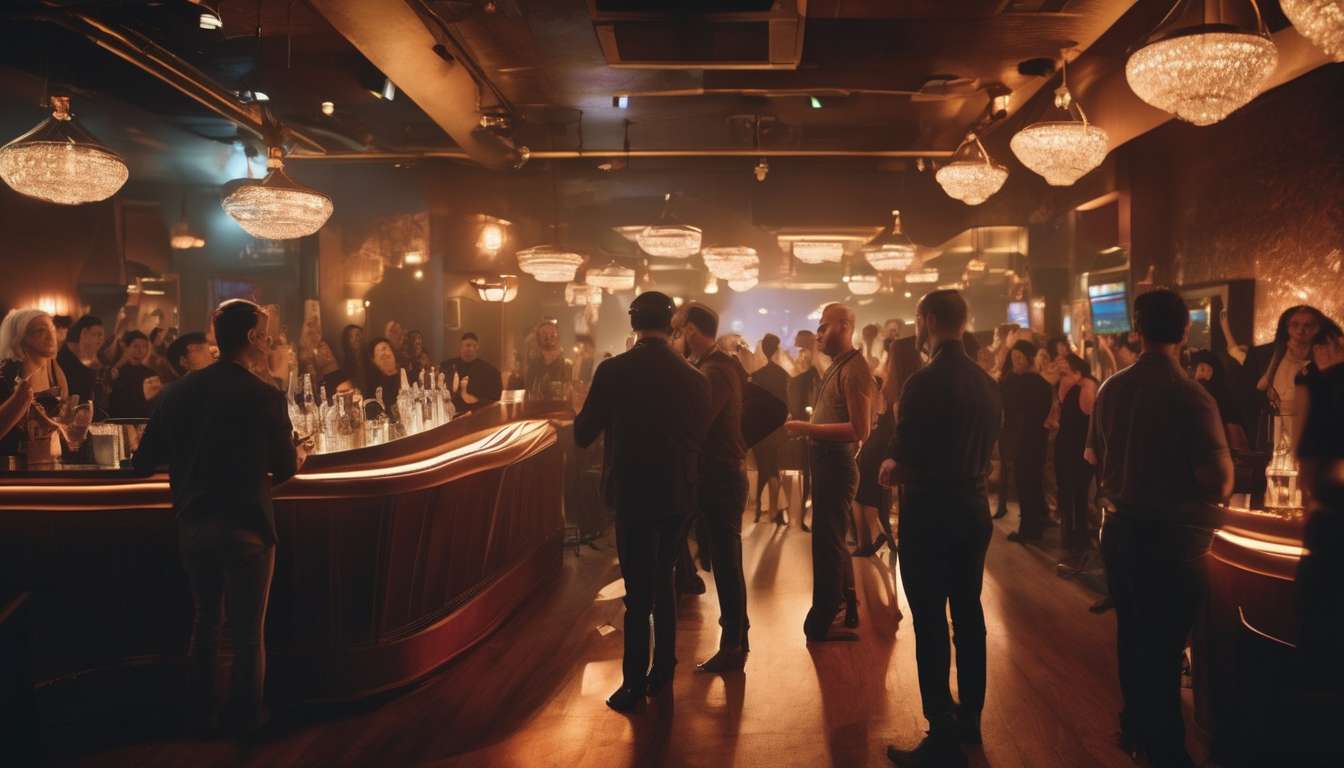
Responsible management practices shape trust in dance venues
A widespread myth holds that memorable nights at dance venues depend solely on dazzling lights and famous DJs, but we know trust hinges on something quieter: responsible management.
We have seen patrons celebrate longer when venues prioritize:
- Clear safety protocols
- Fair pricing
- Respectful staff training
We have watched communities rally around places that:
- Enforce capacity limits
- Maintain transparent communication
- Respond swiftly to concerns
We have also observed reputational damage spread fast when shortcuts are taken: poor crowd control, inconsistent enforcement of rules, or opaque policies erode confidence.
By foregrounding responsibility in everyday operations, managers do more than prevent incidents; they cultivate environments where artists, staff, and guests feel secure and valued.
In this article, we will:
- Unpack how specific management practices influence perceptions of reliability.
- Explore evidence linking governance to patron loyalty.
- Offer actionable steps venues can adopt to turn responsibility into a competitive advantage that sustains both safety and vibrancy on the dance floor.
Safety Protocols
We prioritize clear, enforced safety protocols that prevent injuries, manage crowd flow, and ensure swift responses to emergencies.
We set consistent standards for lighting, floor maintenance, and signage so everyone can relax and enjoy the music without guessing whether the space is safe.
We train staff in crowd management and first aid, run regular drills, and post visible procedures so patrons know what to expect.
Key training and preparedness steps:
- Train staff in crowd management and basic first aid.
- Run regular emergency drills.
- Post visible procedures and flow instructions throughout the venue.
We foster transparent communication by sharing incident reminders, entry expectations, and emergency exits through multiple channels — at the door, online, and via announcements — because honesty builds confidence.
Channels used for communication:
- Door signage and staff briefings.
- Website and social media updates.
- On-site announcements during events.
We invite community engagement in safety planning, holding feedback sessions and surveys to tailor measures to our guests’ needs and to reinforce that this venue is theirs as much as ours.
Community engagement activities:
- Regular feedback sessions.
- Anonymous surveys after events.
- Public forums for proposed safety changes.
We collaborate with local emergency services to align practices and speed response when it matters.
By combining clear rules, open dialogue, and active involvement, we strengthen trust and belonging while keeping everyone safe on and off the dance floor.
Fair Pricing Practices
We set fair, transparent pricing that balances accessibility for our community with sustainable pay for performers and staff.
We make admission, class, and ticket costs visible up front, explaining what each fee supports so everyone knows their contribution helps maintain safety protocols, sound equipment, and artist wages.
We offer flexible pricing options to welcome diverse incomes without compromising quality:
- Sliding scales
- Concession tickets
- Occasional pay-what-you-can events
We communicate price changes clearly and early, using transparent channels to prevent surprises and build trust:
- Website updates
- Social media posts
- Venue signage
We invite community feedback and link it to pricing decisions, using surveys and listening sessions to show how input shapes subsidies or programming priorities.
We publish simple revenue breakdowns, so patrons see the connection between their payment and safer, better-run events.
By centering fairness and belonging in pricing, we sustain a venue where everyone feels valued, included, and confident that costs reflect shared care for the art and each other.
Staff Conduct Standards
We hold our staff to clear, enforceable conduct standards that ensure respect, professionalism, and accountability in every interaction.
We train team members on safety protocols so everyone feels protected, and we reinforce de-escalation, consent-aware behavior, and non-discrimination in onboarding and ongoing sessions.
We expect punctuality, honest reporting, and a welcoming demeanor that signals belonging to patrons and colleagues alike.
We document expectations in a concise handbook, cite examples of acceptable and unacceptable behavior, and use transparent communication to address incidents quickly and fairly.
We involve staff and regulars in policy reviews to strengthen community engagement and to make rules feel co-created rather than imposed.
We investigate complaints impartially and apply consistent consequences, while providing support for staff growth through coaching and restorative practices.
By aligning conduct standards with lived values, we build trust, reduce harm, and cultivate a venue where people return because they know they’ll be treated with dignity and care.
Capacity Management
We monitor and control occupancy levels so everyone can move, dance, and evacuate safely without overcrowding or bottlenecks.
We set clear capacity limits based on venue layout and safety protocols, and we review them whenever the floor changes or events scale.
We train staff to read crowd flow, adjust entry rates, and open or close areas to keep movement smooth and inclusive.
We make space for quieter corners and accessible routes so every member of our community feels welcome and secure.
When adjustments are necessary, we practice transparent communication about why and how limits are enforced without singling anyone out.
We invite community engagement in planning peak-night arrangements and feedback loops, so policies reflect shared priorities rather than top-down rules.
By combining practical crowd management, consistent safety protocols, and inclusive dialogue, we build trust.
- People choose to come back because they sense both care and competence in how we protect the experience and wellbeing of everyone on the dance floor.
Transparent Communication
Clear, prompt explanations of changes, limits, and reasons.
We explain changes, limits, and reasons clearly and promptly so everyone understands how decisions affect their experience.
We outline what changed, why it’s needed, and how long it will last, and we invite questions so concerns are heard and addressed.
Transparent, multi-channel communication to build trust.
- Post updates at entrances.
- Share on social channels.
- Provide staff briefings.
The aim is that no one feels left out or surprised.
Inclusive messaging that affirms everyone’s role.
We frame messages in inclusive language that affirms everyone’s role in keeping the space welcoming.
Communication emphasizes belonging and mutual responsibility.
Practical, actionable information for everyday comfort.
- Where to find hand sanitizers.
- How queueing will work.
- What behavior supports comfort.
We spotlight the people who help make measures work.
Ongoing community engagement and feedback.
- Regular surveys.
- Open forums.
- Suggestion boxes.
By keeping communication open, honest, and two-way, we make safety protocols understandable and manageable and reinforce a shared commitment to a welcoming space.
Incident Response Plans
We’ll prepare clear, practiced incident response plans that define roles, steps, and communication so staff can act quickly and calmly when problems arise.
We’ll map specific scenarios—medical, altercations, fire, or structural issues—and assign trained responders, backup staff, and outside contacts.
Each plan links to safety protocols and checklists so actions aren’t improvised.
- Everyone knows who secures the floor.
- Everyone knows who manages crowd flow.
- Everyone knows who documents the incident.
- Everyone knows who notifies emergency services.
We’ll run regular drills and debriefs to tighten timing and reduce uncertainty, inviting staff feedback to improve usability.
After an event, we’ll prioritize transparent communication with patrons and partners: factual updates, next steps, and reassurance about follow-up measures.
We’ll record lessons learned and update policies, keeping incident logs accessible to leadership for review.
By embedding predictable procedures and open reporting, we’ll strengthen trust and help everyone feel seen, supported, and safe in our shared space—so the venue stays welcoming and resilient.
Community Engagement
We will build ongoing partnerships with local artists, neighborhood groups, and service organizations to ensure our venue serves and reflects the people who use it.
We will invite regular dialogue sessions where neighbors and performers co-design programming, access policies, and safety protocols so everyone’s experience feels respected and secure.
We will staff community liaisons who listen, relay concerns, and outline actionable responses, with transparent communication about timelines and outcomes.
We will host open houses and accessible forums that center underrepresented voices, share meeting notes, and publish improvements so people see how input shapes practice.
We will offer sliding-scale tickets, volunteer opportunities, and mentorship programs that lower barriers and strengthen belonging.
We will train staff in cultural humility and conflict de-escalation, and review safety protocols with community stakeholders to ensure they’re practical and non-invasive.
By treating community engagement as mutual stewardship rather than one-way outreach, we will cultivate trust, boost attendance, and make the venue a shared, welcoming space where people know their needs are heard and acted upon.
Reputation Stewardship
We will proactively protect and promote our venue’s reputation by consistently modeling ethical behavior, responding promptly to issues, and celebrating successes with honesty.
Reputation is built every day through choices that show we value everyone who walks through our doors.
We will maintain clear safety protocols and make them visible so people feel secure and know we take their well‑being seriously.
When mistakes happen, we will use transparent communication to explain what occurred, what we’re doing to fix it, and how we’ll prevent recurrence.
That openness turns problems into trust-building opportunities and keeps our community involved.
We will invite feedback, share updates, and recognize contributors so members feel seen and essential to our evolution.
By aligning actions with stated values, we reinforce belonging and accountability at every level — from staff to regulars and newcomers.
Reputation stewardship is an ongoing practice:
- We keep standards high.
- We welcome honest dialogue.
- We celebrate collective successes in ways that strengthen long-term relationships and the shared sense of home our venue creates.
How do dance venues assess the mental health impacts of events on patrons and staff?
How dance venues assess mental health impacts on patrons and staff
Feedback collection
- We gather feedback through post-event surveys, informal check-ins, and suggestion boxes to capture immediate and reflective responses from patrons and staff.
Behavioral and incident monitoring
- We monitor attendance patterns to detect changes that might signal wellbeing concerns.
- We review incident reports to identify recurring issues or triggers during events.
Professional partnerships and audits
- We partner with mental health professionals for periodic audits and expert assessments of venue practices and atmosphere.
Staff support and debriefing
- We offer staff debriefs after events to process experiences, identify stressors, and support team wellbeing.
- We track usage of on-site support resources to understand demand and gaps.
Community engagement and responsive programming
- We create welcoming spaces for sharing concerns so community members feel safe to speak up.
- We adjust programming based on community feedback to reduce harm and better support mental health.
What measures do venues take to ensure accessibility for neurodiverse or sensory-sensitive attendees?
We prioritize inclusive access and make clear accommodations.
We offer quiet rooms and sensory-friendly hours.
We provide low-sensory zones and earplugs.
We share detailed venue maps and sensory guides in advance.
We train staff to recognize and support neurodiverse needs.
We allow flexible entry and exit and accept companion cards.
We welcome feedback and adapt policies.
We communicate options transparently so everyone can feel safe, respected, and genuinely included.
How are environmental sustainability practices (like energy use and waste reduction) integrated with safety and capacity policies?
Weave sustainability into safety and capacity rules by balancing green upgrades with clear evacuation routes and non-blocking recycling stations.
Time lighting, HVAC, and crowd flow to reduce energy use while maintaining safe occupancy.
Consult staff and attendees and adjust policies collaboratively.
Create inclusive signage and procedures so everyone feels welcome, informed, and part of steady, safe stewardship.
Conclusion
You’ve seen how responsible management builds trust in dance venues.
This includes clear safety protocols, fair pricing, professional staff, sensible capacity limits, and honest communication.
When incidents happen, have swift, fair response plans and engage the local community.
This shows you care and helps restore confidence quickly.
Steward reputation through consistent actions and transparency.
By doing so, you make patrons feel valued and safe.
Keep these practices front and center.
If you do, your venue will earn lasting loyalty and a strong, positive reputation.
