
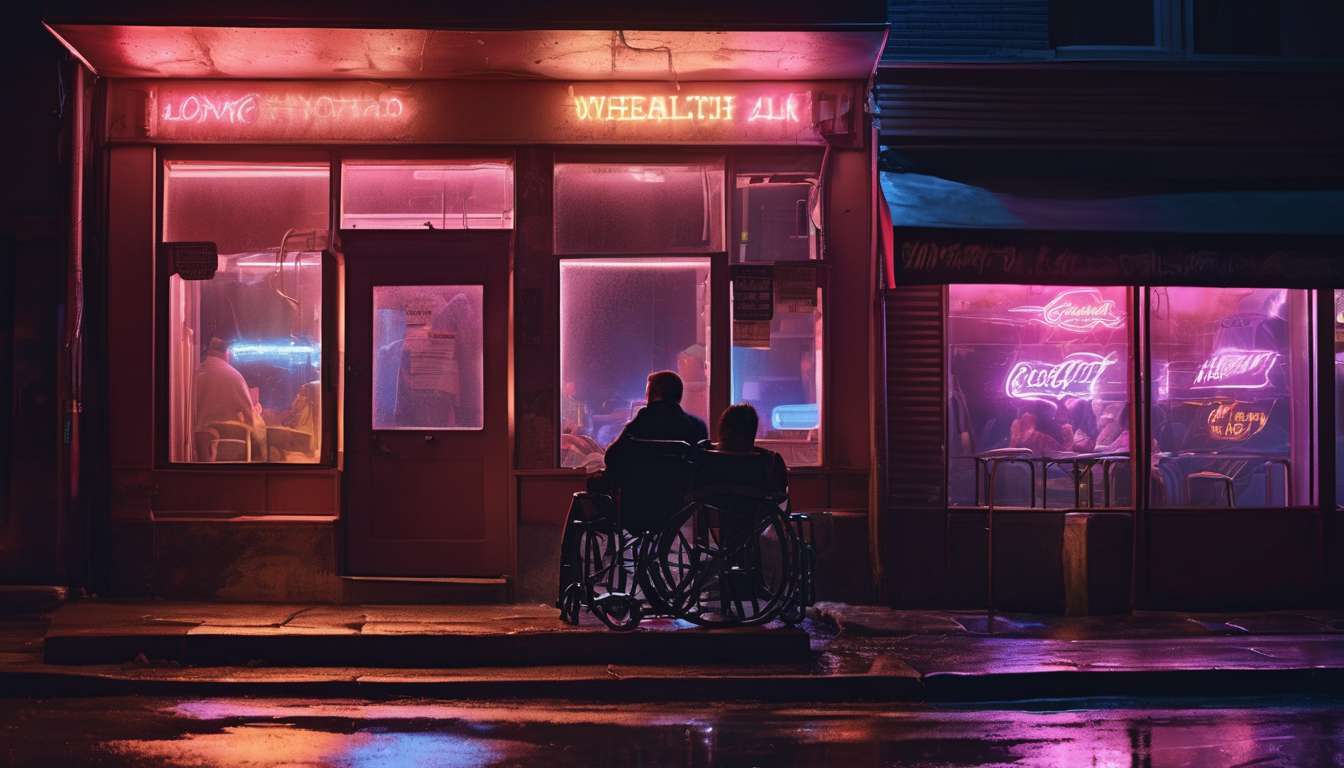
Venue accessibility becomes an issue for the nightlife industry
Bracing headlines and recent reports show that accessible venues are no longer a niche concern but a flashpoint reshaping the nightlife industry.
As we track policy updates, consumer trends, and high-profile lawsuits, we see a clear shift: patrons expect inclusive design and regulators are enforcing it more stringently.
We have watched venues scramble to retrofit entrances, upgrade restrooms, and rethink seating and sightlines while promoters and DJs adapt to new capacity and layout rules.
Conversations with venue owners, attendees with disabilities, and accessibility consultants reveal both growing awareness and persistent gaps.
We must examine how rising demand for equitable access intersects with economic pressures, cultural expectations, and the experiential priorities that define nightlife.
This article unpacks the legal, financial, and social forces driving change, highlights successful adaptations, and outlines practical steps venues can take to remain vibrant, compliant, and welcoming to everyone who wants to participate after dark.
Legal and regulatory shifts
We must track recent legal and regulatory shifts that are reshaping accessibility requirements for nightlife venues.
Updates to building codes, licensing conditions, and enforcement practices are changing how clubs and bars must provide access. These shifts affect physical design, operational policies, and the technologies venues are expected to support.
As a community, we want clear guidance so operators meet accessibility compliance without guesswork.
- Clear, practical guidance reduces confusion and lowers the risk of inadvertent noncompliance.
- Guidance should translate legal language into actionable steps for venues of different sizes and ages.
Encourage venues to view rules as a framework for inclusive design, not just a checklist.
- Widening doorways and improving sightlines are examples of design changes that benefit many patrons.
- Creating sensory-friendly areas (quiet zones, low-light sections) supports people with sensory sensitivities.
- Thinking beyond minimum compliance leads to better experiences and fewer retrofits later.
Regulators are increasingly recognizing assistive technology as integral to accessibility compliance.
- Captioning systems, hearing loop installations, and app-based navigation tools now factor into compliance determinations.
- Technical standards and interoperability expectations are becoming part of code and licensing requirements.
We’re staying engaged with policymakers and sharing practical feedback from patrons and staff to shape workable standards.
- Provide evidence-based examples of what works in real venues.
- Report barriers that persist despite existing rules.
- Advocate for standards that are both effective and feasible to implement.
When enforcement mechanisms change, we support phased implementation periods and technical assistance so smaller venues can adapt.
- Phased timelines reduce financial and operational strain on independent operators.
- Subsidized audits, design consultations, and grant programs help with compliance costs.
By collaborating with regulators, designers, and people with lived experience, we’ll make sure legal shifts produce real access improvements rather than superficial fixes.
- Co-design processes and pilot projects can validate solutions before wide rollout.
- Ongoing monitoring and user feedback ensure adaptations actually improve inclusion.
Goal: make nightlife welcoming to all.
- Treat legal changes as opportunities to enhance belonging, not merely obligations to be met.
Economic impacts on venues
Many venues are weighing the upfront costs and long-term financial benefits of accessibility upgrades, from construction changes to staff training and technology investments.
Accessibility compliance isn’t just a legal checkbox; it’s a business decision that affects who feels welcome in our spaces.
When we budget, we compare immediate expenses to increased patronage, reduced liability, and stronger community ties.
Inclusive design and thoughtful service can broaden our customer base, translating into repeat visits and positive word-of-mouth.
We also account for investments in assistive technology and training that improve the experience for people with disabilities without alienating other guests.
Some owners worry about lost revenue during modifications, but we’ve found phased approaches and grants can ease cash flow pressures.
Ultimately, treating accessibility as an opportunity—rather than a cost center—helps us build venues where more people belong, strengthens our brands, and creates more resilient businesses that reflect the communities we serve.
Design upgrades and retrofits
We’ll prioritize practical design upgrades and phased retrofits that improve mobility, sightlines, and acoustics while minimizing downtime and cost.
We’ll work with architects and patrons to create ramps, widened aisles, and tiered viewing areas that welcome everyone without altering venue character.
We’ll target accessibility compliance as a baseline, auditing entrances, restroom access, and emergency egress to meet regulations while enhancing comfort.
We’ll adopt inclusive design principles:
- Adjustable seating to accommodate different body sizes and companion needs.
- Clear tactile signage for wayfinding by people with visual impairments.
- Low-glare lighting to reduce visual discomfort and improve sightlines.
We’ll sequence work into off-peak windows, preserving nights that matter and spreading expense across fiscal periods.
We’ll integrate assistive technology:
- Hearing loops for people who use hearing aids.
- Captioning displays for live and recorded content.
- App-based wayfinding so people with diverse needs can navigate and enjoy shows independently.
We’ll document costs and outcomes, sharing results with our community to build trust and encourage feedback.
By combining small, smart investments with community involvement, we’ll create venues where belonging is visible, practical, and enduring.
Staff training and policies
We’ll train staff and update policies so every team member can confidently welcome, assist, and respond to patrons with diverse mobility, sensory, and communication needs.
Training will include scenario-based learning on mobility device navigation, sensory-friendly interactions, and effective communication techniques so staff feel prepared rather than anxious.
We’ll create clear protocols that prioritize dignity and safety, aligning frontline actions with accessibility compliance and venue values.
We’ll revise hiring and scheduling policies to ensure consistent coverage of trained personnel and build feedback loops with patrons and disability advocates.
We’ll teach the practical use of assistive technology on-site, such as:
- hearing loops
- portable ramps
- communication appsso staff can deploy tools quickly and respectfully.
We’ll document procedures for:
- incident response
- reasonable adjustments
- confidentiality
to protect patrons’ privacy.
By embedding inclusive design principles into everyday practice, we’ll foster a workplace culture where accessibility isn’t an add-on but an expectation.
That shared commitment will help every guest feel seen, welcomed, and safe in our spaces.
Customer expectations evolving
More patrons expect venues to anticipate diverse needs rather than simply react to requests.
We will prioritize proactive, visible accommodations that improve everyone’s experience.
We recognize customers want to feel welcomed and seen, and we will embed accessibility compliance into our planning rather than treat it as an afterthought.
We will engage patrons in dialogue, solicit feedback, and act on it so changes reflect real needs and foster belonging.
We will adopt inclusive design principles for layout, signage, and programming so every guest can navigate spaces confidently.
This includes:
- Thoughtful sightlines.
- Clear pathways.
- Seating options that welcome different bodies and social preferences.
We will be mindful of assistive technology when evaluating tools and services, ensuring choices respect privacy and dignity.
Ultimately, we will make accessibility visible and routine, signaling to all patrons that the venue was made with them in mind and that they matter in both form and function.
Technology and assistive solutions
We will evaluate and implement technology and tools that genuinely reduce barriers and enhance autonomy for patrons with diverse needs.
We prioritize inclusive design that makes everyone feel welcome. This includes clearer wayfinding apps and real-time capacity and seating updates that are accessible to all users.
We will adopt assistive technologies patrons can use independently. Examples include:
- Hearing loop systems
- Tactile maps
- Adjustable lighting controls
We will integrate staff-facing apps to respond quickly to requests. These tools will help staff provide timely, discreet assistance without singling patrons out.
We will ensure upgrades meet (and exceed) accessibility compliance standards.
- Invite feedback from guests to refine solutions.
- Train teams to support tech use respectfully so people aren’t made to feel singled out.
We will partner with vendors who share our commitment to usability and affordability.
- Phase in tools that interoperate with common accessibility apps and devices.
By centering people in our choices, we will build venues where technology genuinely expands participation, fosters connection, and signals that everyone belongs on our dance floors, stages, and lounges.
Case studies of success
We will showcase concrete venue improvements and measurable outcomes that prove accessibility investments work for patrons, staff, and business performance.
Documented results from clubs that pursued accessibility compliance include:
- Increased attendance from disabled patrons
- Higher rates of positive reviews
- Longer visit durations
Example 1: Inclusive design renovations produced measurable business gains.
- Renovations: ramped entrances, widened aisles, sensory-friendly lighting
- Outcome: weekend revenue rose by double digits
- Staff impact: boosted morale and improved retention
Example 2: Assistive technology expanded reach and improved guest experience.
- Integrations: hearing loops, captioned event screens
- Outcome: expanded ticket sales to new communities
- Operational benefit: reduced guest complaints
We focus on metrics that matter for assessing impact.
- Accessibility audit scores
- Repeat-visitor rates
- Staff training completion
Our case studies center people and community outcomes.
- Patrons who felt welcomed
- Employees who could better serve diverse needs
- Managers who reported improved community reputation
Conclusion: accessibility investments are both ethical and practical.
Thoughtful investment in inclusive design and assistive technology demonstrates that accessibility compliance can create thriving, more connected nightlife spaces where everyone belongs.
Actionable implementation steps
We’ll roll out a prioritized checklist that breaks projects into immediate fixes, short-term upgrades, and long-term investments so teams can act quickly and measure progress.
Immediate (high-impact) actions:
- Clear signage
- Ramp placement
- Designated seating
- Staff training to meet accessibility compliance right away
Short-term upgrades:
- Upgrade restrooms
- Improve sightlines
- Enhance lighting
- Adopt inclusive design principles so everyone feels welcome and safe
Long-term investments:
- Plan architectural changes
- Update procurement policies to prioritize accessibility
- Establish ongoing feedback loops
We’ll assign responsibilities, timelines, and measurable goals, and we’ll budget for assistive technology like hearing loops, captioning, and portable ramps.
We’ll involve patrons with disabilities in testing and evaluation to make sure changes work in practice.
We’ll document progress transparently and celebrate milestones to reinforce community ownership.
By acting together, we’ll create venues that meet legal standards, reflect inclusive design values, and offer practical assistive technology solutions — making nightlife accessible and inviting for everyone.
How do insurance premiums and liability exposures change for venues after making accessibility upgrades?
We’ll see insurance premiums often drop or stabilize after making accessibility upgrades, because risks and lawsuit exposures usually fall.
We’ll also face one-time costs for renovations and documentation, and insurers may require inspections or certificates.
We’ll negotiate better terms with evidence of compliance and improved safety features.
We’ll still carry liability coverage, but we’ll be in a stronger position to defend compliance and reduce long-term legal and cost risks.
What funding, grants, or tax incentives exist specifically for nightlife businesses to offset accessibility renovations?
Overview — goal: Identify funding, grants, and tax incentives nightlife businesses can use to offset accessibility renovations (ramps, bathrooms, lifts, signage, lighting, etc.).
Federal tax incentives
- Disabled Access Credit (IRS, Form 8826).
Small businesses (generally < $1 million gross receipts in previous year and < 30 employees) can claim a nonrefundable credit equal to 50% of eligible access expenditures between $250 and $10,250 (maximum credit $5,000). - Architectural/Transportation Barrier Removal Deduction (Section 190).
Allows an annual deduction (up to $15,000 in many years — check current limits) for amounts paid to remove barriers for persons with disabilities. - Historic Rehabilitation Tax Credits (federal).
If your venue is a certified historic structure and renovations follow the Secretary of the Interior’s Standards, you may qualify for a 20% federal tax credit on qualified rehabilitation expenditures.
State and local tax incentives and grants
- State historic tax credits.
Many states offer tax credits that stack with the federal historic credit; availability and percentage vary by state. - State small business grants and accessibility programs.
Economic development agencies often run grants or low-interest loans for small business capital improvements — search your state’s economic development site. - Local government incentives (municipal/county).
Cities/counties sometimes provide façade improvement grants, matching funds, or storefront/accessibility improvement programs targeted at commercial corridors or nightlife districts.
Federal and state grant programs
- Community Development Block Grant (CDBG).
Administered by HUD to states and localities; funds can be used for accessibility improvements when projects meet community development objectives — typically awarded to municipalities which then subgrant to businesses or nonprofits. - SBA grants and small business programs.
SBA itself rarely gives direct grants to for-profit businesses for capital improvements, but SBA partners and state small business development centers may help identify local grants or loan programs (including low-interest loans and microloans).
Nonprofit and foundation grants
- Disability-focused foundations and local community foundations.
Foundations sometimes fund accessibility upgrades for community-serving businesses or nonprofits (e.g., Access Living-type organizations, local community foundations). Eligibility and amounts vary widely. - Arts/cultural funding.
If your venue hosts live music, theater, or cultural events, arts councils or cultural trusts may offer grants for accessibility to increase audience access.
Industry, association, and private-sector support
- Trade associations and nightlife/cultural industry funds.
Industry groups sometimes offer small grants, training, or cost-share programs for upgrades that improve safety and access. - Corporate sponsorships and partnerships.
Local companies, vendors, or alcohol/entertainment brands may sponsor accessibility projects in exchange for recognition.
Financing and incentives to consider
- Low-interest loans and microloans.
Community banks, credit unions, CDFIs, and SBA microloan programs can finance renovations when grants/tax benefits are insufficient. - Tax increment financing (TIF) or economic development loans.
Municipal TIF districts or business improvement districts (BIDs) may offer assistance for capital improvements.
Steps to pursue funding (recommended approach)
- Document needs and costs.
- Create a scope of work and quotes from contractors specifying accessibility elements.
- Confirm tax incentive eligibility with a tax professional.
- Determine whether you qualify for the Disabled Access Credit, Section 190 deduction, and historic credits.
- Check local/state program availability.
- Contact your city’s economic development office, county planner, and state historic preservation office.
- Search grants and foundations.
- Query local community foundations, disability advocacy groups, and arts councils.
- Assemble a funding mix.
- Combine tax credits/deductions, grants, and low-interest financing where needed.
- Apply and document thoroughly.
- Keep contractor invoices, before/after photos, and certification letters (especially for historic credits).
Actionable next steps for you
- Gather estimated costs and photos of proposed work.
- Ask your accountant or tax advisor about Form 8826 and Section 190 applicability.
- Contact your city economic development office and state historic preservation office (if your building is historic).
- Search local community foundations, arts councils, and disability nonprofits for small grant opportunities.
If you tell me your state and whether the building is a certified historic property, I can search likely state programs, relevant grant sources, and the specific contacts to approach.
How can venues balance preserving historic or cultural character with required accessibility modifications?
We’re asking how to balance preserving historic or cultural character with required accessibility changes.
We’ll collaborate with preservationists, disabled community members, and designers to find creative, reversible solutions that respect heritage.
We’ll use sympathetic materials, hidden ramps, and adaptive lighting so access feels natural, not tacked on.
We’ll pursue grants and documentation to show care.
We’ll celebrate the building’s stories while making everyone welcome.
Conclusion
You’re at a turning point: legal changes and rising customer expectations mean accessibility isn’t optional anymore.
Invest in three areas to protect and grow your business:
- Design upgrades — improve physical access, sightlines, and auditory clarity.
- Staff training — teach staff to assist patrons respectfully and effectively.
- Assistive technology — provide hearing loops, captioning, accessible booking, and other tools.
Benefits of acting now: protects you from fines, expands your market, and improves the night out for everyone.
Practical first steps:
- Conduct accessibility audits to identify gaps.
- Prioritize low-cost, high-impact fixes (clear signage, step ramps, lighting, seating accommodations).
- Update policies so accessibility is embedded in operations and customer experience.
Do this now and you’ll boost revenue, reputation, and inclusivity—making nightlife better for staff and patrons alike.
