
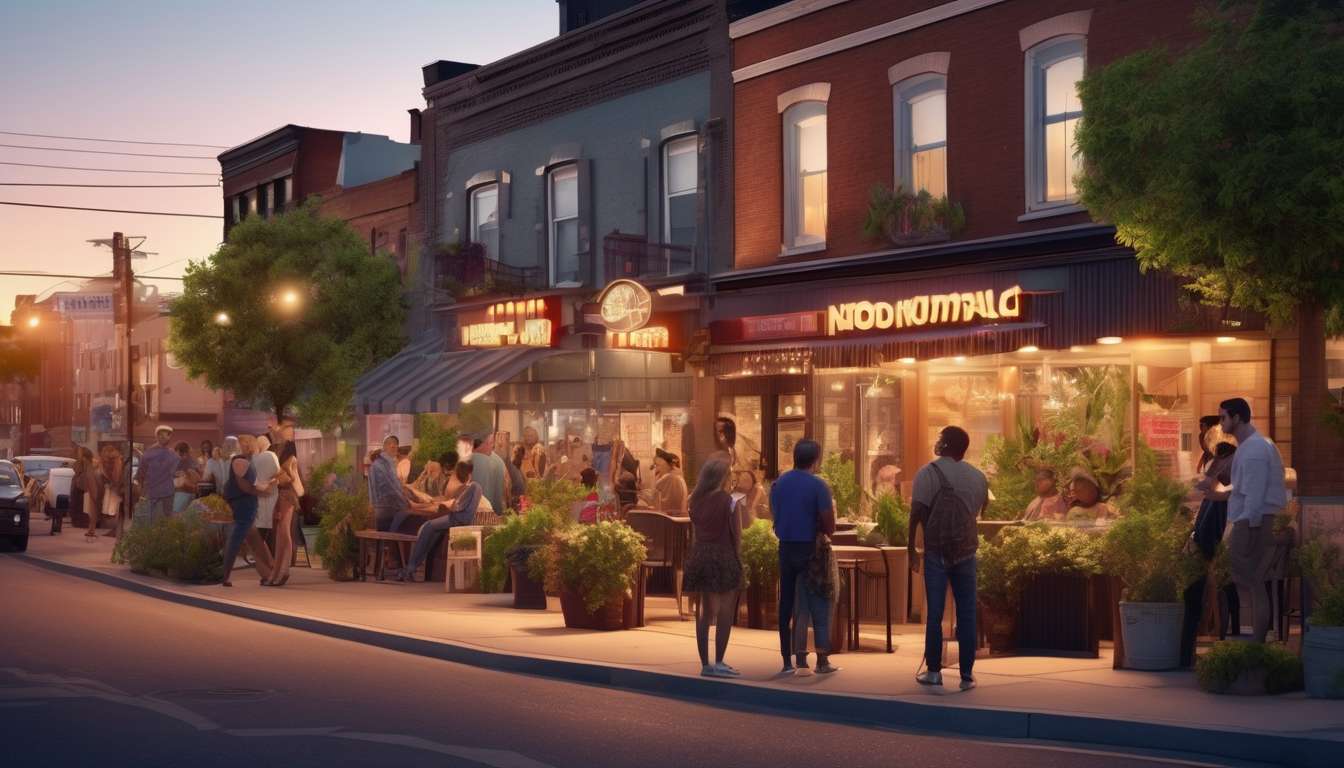
Community relations matter for adult entertainment venue operators
Can we truly operate without investing in the neighborhoods that surround our venues?
As operators of adult entertainment establishments, we confront regulatory scrutiny, shifting public attitudes, and the day-to-day realities of running safe, profitable spaces — yet we often overlook the most powerful variable: our relationship with the community.
Ask hard questions to open doors to collaboration instead of confrontation.
- Noise
- Safety
- Parking
- Impact on nearby residents and merchants
Building trust requires listening, adapting, and demonstrating shared goals.
- Listen to neighbors’ concerns and acknowledge their experiences.
- Adapt operating practices (hours, sound management, entrance/exit flows) to reduce negative impacts.
- Demonstrate commitment to economic vitality and public safety through visible, measurable actions.
Practical strategies for engaging neighbors, local officials, and business associations.
- Establish regular community meetings and open lines of communication.
- Partner with nearby businesses on shared parking or safety initiatives.
- Develop and publish a neighborhood impact mitigation plan (noise, lighting, security).
- Invite local officials to meet staff and tour the venue to demystify operations.
- Join or form business associations to address area-wide concerns collaboratively.
Reframe community relations as an essential business function.
By treating neighborhood engagement as part of core operations, we protect licenses, reduce friction, and create a more sustainable future for the industry.
Why Community Relations Matter
We build strong community relations because they reduce conflict, protect our license, and help our venue operate safely and sustainably.
We know belonging matters, so we prioritize community engagement that shows neighbors we respect their concerns and share responsibility for neighborhood well-being.
By being present and consistent, we create trust that softens tensions and prevents misunderstandings before they escalate.
Practical measures like noise mitigation demonstrate we’re listening and acting.
- Soundproofing
- Adjusted operating hours
- Clear signage
Those steps protect our ability to operate while honoring nearby residents’ peace.
We also pursue local partnerships with businesses, neighborhood groups, and civic leaders to create shared value:
- Economic activity
- Safe streets
- Cooperative responses to issues
These partnerships amplify our credibility with regulators and make our license more secure.
When we foster belonging through thoughtful engagement and responsible practices, we strengthen both our venue and the broader community, making our presence accepted rather than contested.
Listening to Neighborhood Voices
We listen to neighbors regularly, respond to specific concerns, and use their feedback to shape policies and operations.
We set regular forums, surveys, and drop-in hours so people feel heard and know their input matters.
Through intentional community engagement, we build shared understanding about our hours, events, and expectations, and we treat every comment as an opportunity to improve.
We clarify what we can change and what’s constrained by regulations, and we follow up so neighbors see action.
We document requests about lighting, signage, and pedestrian flow, and we pursue practical adjustments that enhance neighborhood comfort.
We explore collaborative solutions:
- Shared parking plans
- Referral programs
- Other mutually beneficial arrangements
We cultivate local partnerships with nearby businesses, neighborhood associations, and service providers to strengthen trust and coordinate responses.
We track recurring issues and prioritize those that affect quality of life, including coordinating on noise mitigation where appropriate.
We keep channels open so neighbors stay connected, respected, and included in decisions that shape our shared space.
Addressing Noise and Safety
We actively reduce noise and enhance safety through clear policies, building upgrades, staff training, and coordinated responses with neighbors and law enforcement.
Community engagement
- We hold regular meetings where residents and staff share concerns and solutions.
- That shared voice helps us prioritize:
- Soundproofing and acoustic improvements.
- Entry and exit procedures.
- Hours of operation that respect nearby homes.
Noise mitigation
- We invest in acoustic treatments and controlled-volume systems.
- We monitor outdoor behavior and communicate expectations to patrons before and during events.
- We post and enforce clear noise policies for staff and guests.
Safety practices
- We train staff in de-escalation, bystander intervention, and coordinated emergency procedures.
- We maintain local partnerships so responders know our layout and contacts.
- We conduct regular drills and update procedures as needed.
Transparency and follow-up
- We log incidents transparently.
- We follow up with affected neighbors so they feel heard and safe.
Outcome
- By combining practical investments with inclusive outreach, we build trust, reduce friction, and foster a neighborhood where everyone belongs while our venue operates responsibly and respectfully.
Parking and Transportation Solutions
We provide clear, convenient parking and transportation options—like designated lots, validated rideshares, and timed drop-off zones—to minimize street congestion and make visits safe and predictable.
We work closely with neighbors and city officials so our solutions fit the neighborhood rhythm and support community engagement.
We coordinate lot lighting, signage, and pedestrian paths to keep arrivals and departures calm and respectful, reinforcing our shared commitment to noise mitigation without shifting burdens onto residents.
We build local partnerships with transit agencies and nearby businesses to expand reliable options for staff and patrons, and we fund targeted shuttle services on busy nights.
We publish simple maps and real-time updates so everyone feels welcome and informed, and we set clear expectations for behavior in loading areas.
When issues arise, we meet quickly with community members to adapt plans, showing that our transportation approach is responsive, accountable, and focused on keeping the neighborhood safe, accessible, and connected.
Transparent Impact Mitigation
We’ll disclose potential impacts upfront, share measurable mitigation targets, and report progress regularly so neighbors know exactly what we’re doing and how well it’s working.
We’ll invite community engagement from the start, listening to concerns and co-creating clear metrics for:
- noise mitigation,
- trash management,
- safe arrival/departure patterns.
We’ll set specific, time-bound goals — for example, reducing late-night sound complaints by a given percentage — and publish monthly updates that show:
- where we’re meeting targets,
- where we need support.
We’ll use transparent tools such as:
- dashboards,
- simple reports,
- community meetings,to ensure everyone feels included and informed.
We’ll track outcomes, adjust strategies based on feedback, and acknowledge setbacks honestly.
By centering trust, respect, and shared responsibility, we’ll strengthen local partnerships with neighborhood groups and agencies without shifting into commercial promotion.
Our approach will make neighbors partners in solutions, not just observers, fostering a sense of belonging and mutual accountability as we minimize impacts and celebrate improvements together.
Building Local Business Partnerships
We will collaborate with nearby businesses to create practical, mutually beneficial arrangements that reduce neighborhood impacts and support local economies.
Approach and proposals
- We’ll approach local partners—cafes, retail, service providers—with clear proposals that strengthen community engagement while respecting everyone’s needs.
- Proposals will emphasize respectful coordination and measurable benefits for all parties.
Coordinated operations to manage customer flow
- Together we’ll coordinate shared promotions, staggered hours, and cross-referral systems that bring steady customers without overburdening sidewalks or transit.
- We’ll communicate schedules and promotions in advance to avoid peak conflicts.
Shared resources for public realm improvements
- We’ll pool resources for joint signage, lighting, and clean-up efforts so the block feels cared for and welcoming.
- Shared investments will be planned and budgeted with transparent cost-sharing.
Noise mitigation and real-time communication
- We’ll prioritize noise mitigation by aligning schedules and investing in soundproofing where storefronts abut.
- We’ll communicate real-time updates about peak activity to our partners to reduce disturbances.
Trust-building and formal agreements
- In doing so, we’ll build trust and a sense of belonging that benefits employees, patrons, and neighbors.
- We’ll formalize local partnerships with simple agreements that outline responsibilities and conflict-resolution steps, keeping expectations clear and relationships resilient.
Outcome
- By acting transparently and cooperatively, we’ll foster a safer, more vibrant commercial corridor that reflects shared pride and mutual respect.
Working with Local Officials
Proactively engage with city staff, zoning boards, and elected officials.
We will meet with officials to align our operations with regulations, address concerns, and seek constructive, transparent solutions.
Present clear plans for community engagement.
We’ll show we’re invested in neighborhood wellbeing and responsive to local needs by outlining outreach and feedback mechanisms.
Implement sensible noise mitigation measures.
- Soundproofing and facility improvements.
- Defined operating hours.
- Ongoing noise monitoring and corrective actions.
Invite officials to visit the venue.
We’ll host site visits so officials can see our practices firsthand and discuss how local policies affect day-to-day operations.
Form local partnerships.
- Nearby businesses.
- Neighborhood associations.
- Public safety agencies.
These partnerships will enable coordinated approaches to safety, cleanliness, and mutual support.
Document commitments and keep stakeholders informed.
We’ll record agreements, follow through on commitments, and communicate updates so officials and residents feel included and respected.
Foster collaborative, non-adversarial relationships.
We want partnerships that recognize our business’s contribution while protecting community quality of life, strengthening the neighborhood and enabling responsible venue operation.
Measuring Trust and Progress
Measurement framework: metrics, feedback, and transparent reporting
Define measurable goals. We’ll set clear targets for community engagement, noise mitigation, complaint resolution, and partnership growth.
- Participation rates at meetings
- Number of resolved complaints
- Sentiment changes over time
Noise mitigation metrics. We’ll monitor outcomes with objective and operational measures:
- Decibel logs
- Complaint response times
- Visible operational adjustments (e.g., changed schedules, equipment)
Partnership tracking. We’ll log the growth and depth of local partnerships by tracking:
- Joint initiatives launched
- Referral exchanges completed
- Shared events held
Feedback collection and reporting
Collect feedback through multiple channels. We’ll use brief surveys, suggestion boxes, and regular roundtables to gather input from neighbors and stakeholders.
Publish concise updates. We’ll produce short, regular reports so neighbors and officials can see progress and trends.
Review cadence, accountability, and course correction
Set review intervals and celebrate progress. We’ll establish regular review points, celebrate small wins, and correct course when data shows gaps.
Share oversight with the community. We’ll invite community representatives into oversight reviews to ensure shared accountability and inclusion.
Outcome
Build lasting trust through measurement and communication. By combining measurable targets with consistent communication and shared oversight, we’ll reduce friction and strengthen a sense of belonging between the venue and the community we serve.
What specific legal permits and zoning requirements should I verify before opening an adult entertainment venue in my city?
Check local zoning ordinances for permitted zones.
Confirm distance buffers from sensitive uses.
Determine whether a conditional use permit (CUP) is required.
Look for special adult-use overlay districts or supplemental regulations.
Secure required business licenses and registrations.
Obtain health and safety inspections and permits.
Get occupancy and fire department permits and approvals.
Apply for any alcohol service permits, if applicable.
Obtain permits for signage and any required sign variances.
Secure permits for live entertainment or amplified sound.
Establish and document age-restriction enforcement policies.
Identify renewal schedules and ongoing compliance requirements.
How can I train staff to handle confrontations or complaints from community members without escalating situations?
We’ll train staff in de-escalation techniques, active listening, and empathy.
- These skills will enable staff to calm upset community members and reduce immediate tension.
- Training will emphasize using nonconfrontational language and body language.
We’ll conduct role-play of realistic scenarios and coach specific behaviors.
- Role-play will simulate common complaints and high-stress interactions.
- Coaching will cover phrasing, tone, posture, and pacing to avoid escalation.
We’ll establish clear policies and boundaries for handling complaints.
- Written complaint procedures and escalation thresholds will be provided.
- Staff will learn when to involve management or security and how to communicate that step.
We’ll teach documentation and follow-up procedures.
- Staff will be trained to record incidents accurately and objectively.
- Follow-up protocols will ensure community members feel heard and informed of outcomes.
We’ll reinforce cultural sensitivity and respect.
- Training will include awareness of diverse backgrounds and communication styles.
- Emphasis on reducing bias and treating everyone with dignity.
We’ll provide ongoing coaching and evaluation.
- Conduct periodic refresher training and additional role-plays.
- Monitor incidents and review documentation for quality and consistency.
- Offer feedback and corrective coaching as needed.
Goal: maintain safety and resolve issues without escalating tensions while ensuring community members feel respected and heard.
Are there insurance products or liability protections tailored to adult entertainment venues that I should consider?
Yes — there are specialized insurance products and liability protections tailored to adult entertainment venues that you should consider.
Core liability coverages to evaluate:
- General liability — bodily injury and third-party property damage.
- Liquor liability — coverage for alcohol-related incidents if you serve or allow patrons to bring alcohol.
- Premises liability — incidents that occur on your property, including slip-and-fall claims.
- Sexual misconduct / performer liability — protection for claims arising from alleged inappropriate conduct involving performers or staff.
- Professional liability — coverage for alleged errors or omissions in services provided (applicable in some venue/service contexts).
- Product/completed operations — for claims related to goods you provide or work completed on the premises.
Additional and property-related coverages to consider:
- Property insurance — physical damage to buildings, equipment, and inventory.
- Business interruption — lost income and extra expenses if you must suspend operations due to a covered loss.
- Cyber liability — protection for data breaches, payment-card incidents, and related notification costs.
- Employment Practices Liability (EPLI) — coverage for claims by employees (harassment, discrimination, wrongful termination).
Risk-management approach:
- Work with brokers experienced in adult-entertainment risks — they can access carriers willing to underwrite these exposures and tailor exclusions/limits.
- Build inclusive, affordable policies — balance adequate limits with realistic premiums; consider layered programs (primary plus excess).
- Focus on protecting staff, performers, patrons, and reputation — ensure policies address performer-specific exposures and reputation/PR response planning.
If you’d like, I can:
- Provide a sample list of questions to give to brokers.
- Draft a one-page summary of desired coverages and limits to share with insurers.
- Recommend typical limits and deductible structures for similar venues. Which would be most helpful?
Conclusion
You can’t operate successfully without community trust — prioritize listening, transparency, and cooperation.
Address specific concerns by focusing on:
- Noise mitigation
- Safety improvements
- Parking management
- Assessing broader impacts on the neighborhood
Partner with nearby businesses and local officials to reduce friction and build goodwill:
- Coordinate plans and schedules
- Share resources and responsibilities
- Establish clear lines of communication
Take measurable steps, report progress, and adapt based on feedback.
Treat neighbors as partners rather than obstacles to protect your license, improve operations, and create a safer, more sustainable environment that benefits both your venue and the community.
