
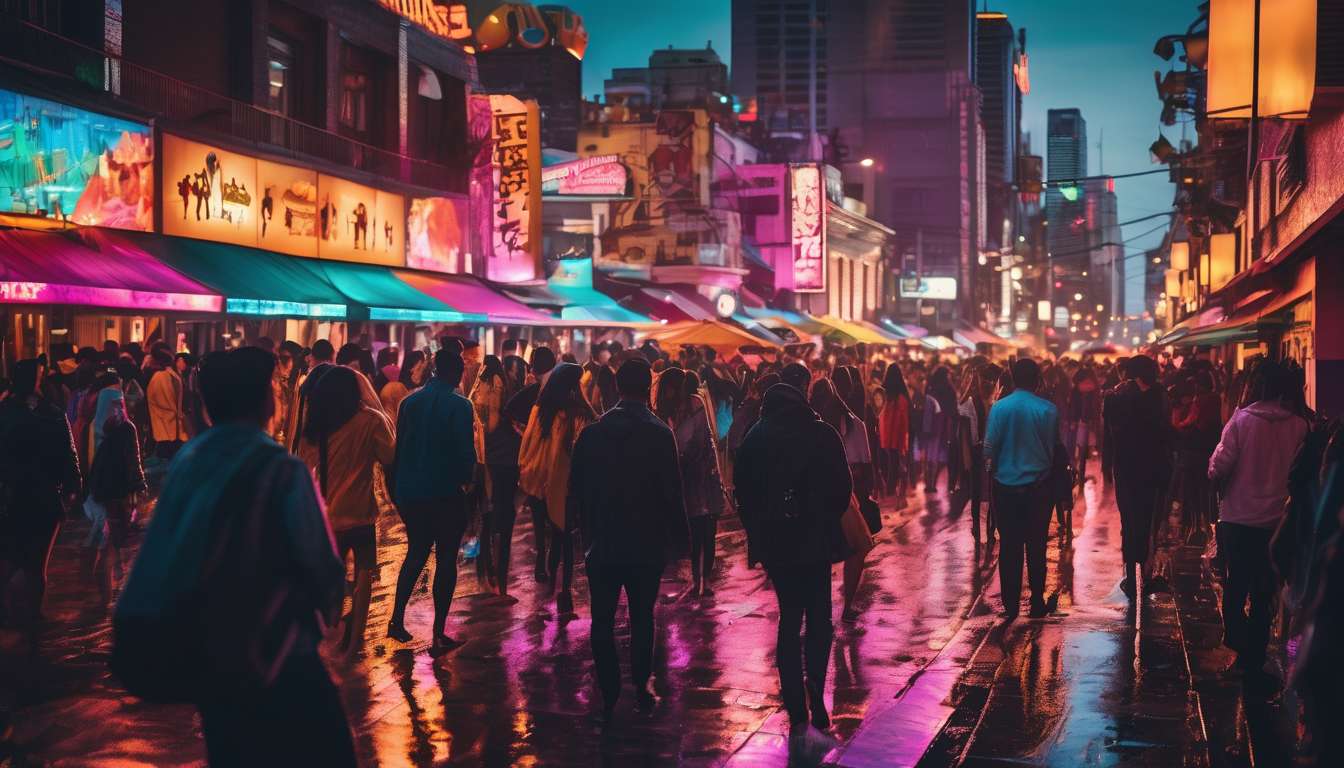
Tourism trends influence demand for nightlife entertainment venues
Tourists’ late-night footsteps are reshaping our cityscapes in ways we never imagined. They link flight routes to DJ booths and heritage tours to neon-lit bars, creating new overlaps between travel and nightlife that change how cities function after dark.
Passport stamps predict peak bar hours and marketing shapes demand. We trace patterns where tourism marketing campaigns inadvertently create demand for themed nightlife, and where social-media-driven itineraries concentrate crowds in specific districts.
Cultural exchange now extends beyond daytime attractions into curated evening experiences. This shift drives investment in:
- venue design
- licensing
- safety infrastructure
Seasonal visitor flows alter operational decisions for nightlife venues. We analyze impacts on:
- music programming
- pricing strategies
- labor needs
Touristification of nightlife creates tensions that must be managed. Key challenges include:
- gentrification pressures
- noise complaints
- regulatory hurdles
Research combines multiple methods to map these dynamics. By examining data, stakeholder interviews, and case studies across diverse destinations, we show how tourism trends influence expectations for nightlife entertainment venues and how those venues, in turn, redefine places as 24-hour cultural economies that must balance visitor desires with community wellbeing.
Tourism-Driven Night Patterns
We drew on travel data and local reports to show how tourist flows reshape nightly activity patterns in cities.
Key hotspots where nightlife demand spikes
- Waterfronts
- Historic quarters
- Festival zones
We map when locals and visitors overlap
- This reveals peak pressure points and opportunities for mixed-use programming.
Tourist seasonality drives predictable swings
- Shoulder months — mixed crowds and quieter evenings.
- Peak months — venues extend hours and add capacity.
- Off-season nights — more intimate, community-centered rhythms.
We collaborate with venue operators to align programming with these cycles
- Aim: nights that feel intentional, safe, and welcoming for everyone.
- Tactics: staggered schedules, flexible staffing, capacity planning.
We listen to staff and residents to avoid displacement
- Ensure late-night offerings complement neighborhood life rather than sideline it.
Metrics we track to anticipate pressure points
- Hourly footfall
- Transport usage
- Booking windows
Design responses informed by metrics and community input
- Staggered programming to smooth demand.
- Clear transit links to reduce congestion and improve safety.
- Community-led events to maintain local belonging.
Outcome: balancing economic opportunity with belonging
- Nights become vibrant while preserving the well-being of the people who call these places home.
Marketing and Venue Demand
We analyze how targeted marketing and venue-level choices drive where, when, and how people show up at night.
Clear, inclusive messaging turns casual visitors into repeat attendees.
- Concise social posts
- Curated images
- Community-focused language
These elements signal that everyone’s welcome.
By aligning promotions with tourist seasonality, we schedule events when visitors are most likely to arrive.
- Promote during peak tourist windows
- Avoid quiet periods that fragment staff and patron experiences
We tailor venue programming to match both resident rhythms and visitor expectations.
- Late-night DJs during peak weeks
- Intimate live sets in shoulder seasons
This ensures capacity and atmosphere feel right.
We track data on reservations, walk-ins, and social engagement to adapt offers in real time.
- Boost nights that underperform
- Sustain nights that unite people
Coordination with local hotels, tour operators, and neighborhood businesses builds a shared pipeline.
This stabilizes nightlife demand and creates a dependable social fabric for locals and travelers alike.
Cultural Exchange After Dark
We explore how evening spaces become sites of meaningful cultural exchange.
By bringing locals and visitors together through music, food, and stories, these spaces reshape perceptions and build lasting connections.
Nightlife demand is more than numbers; it’s a social pulse.
It brings people together across backgrounds and signals opportunities for shared experiences rather than purely commercial activity.
Design venue programming to highlight local culture and invite participation.
- Feature local artists, culinary traditions, and bilingual storytelling.
- Create welcoming rooms where strangers feel seen and invited to participate.
- Balance familiar acts with experimental collaborations so residents and travelers co-create memorable nights rather than passively consume them.
Respect seasonality while protecting authenticity.
- Adapt programming to invite year-round engagement.
- Keep core community roots intact so tourist flows don’t dilute heritage.
Foster partnerships that share curation and revenue.
- Work with neighborhood groups and cultural practitioners.
- Offer shared decision-making and revenue models that respect and compensate heritage holders.
Measure success by community impact as well as sales.
- Track repeat attendance and cross-cultural conversations sparked.
- Value the slow-building trust that turns visitors into contributors and locals into proud hosts of a nightlife culture that belongs to everyone.
Seasonal Operational Shifts
Seasonal operational adjustments
We adjust operations each season to balance visitor influx, local expectations, and the venue’s cultural commitments.
We read tourist seasonality signals and reshape core operations
- We adjust staff schedules, opening hours, and capacity limits so the space feels welcoming rather than overwhelming.
- When nightlife demand rises, we scale front-of-house teams and reinforce safety protocols.
- When nightlife demand falls, we redeploy staff to maintenance, training, and community outreach so everyone stays engaged.
Flexible programming to serve locals and visitors
- We rotate residents and guest artists to offer both familiar faces for returning locals and fresh experiences for new visitors.
- We communicate programming and schedule changes clearly across channels.
- We invite regulars into planning conversations and offer volunteers and part-time roles to neighbors who want deeper ties.
Shared responsibility and identity preservation
By sharing responsibility for seasonal shifts, we preserve our identity while meeting fluctuating demand.
Outcome
We make sure the venue remains a place where everyone — visitors and community members alike — feels they belong.
Programming and Pricing Responses
We adjust programming and pricing dynamically so we can match audience profiles, manage crowding, and keep offerings accessible throughout the year.
We monitor nightlife demand and tourist seasonality closely, tailoring venue programming to create familiar touchpoints for regulars while inviting newcomers to belong.
- We schedule resident DJs, themed nights, and local artist showcases during low-tourist windows to maintain a core community.
- We use headline acts or collaborative events when visitor numbers spike to attract tourists and boost visibility.
Pricing shifts are transparent: tiered tickets, local discounts, and early-bird offers help us balance revenue with inclusivity.
- Capacity-based pricing and staggered start times reduce bottlenecks and improve safety without eroding the communal atmosphere.
- We communicate changes clearly so patrons know what to expect and feel respected, not surprised.
We gather direct feedback after events to refine lineups and price points, ensuring venue programming responds to real preferences.
That responsiveness keeps our space vibrant, sustainable, and welcoming across fluctuating tourist cycles.
Labor and Staffing Strategies
We prioritize hiring flexible, well-trained teams and cross-training staff so we can scale service quality up or down as visitor numbers change.
We build schedules around predictable peaks of nightlife demand and the ebbs of tourist seasonality, so everyone knows when they’ll be needed and why.
We hire people who want to belong to a team, and we invest in clear role paths and ongoing training that ties directly to venue programming needs.
We rotate shifts so staff gain experience across bar, floor, and door roles, which keeps teams resilient during sudden demand spikes and strengthens coworker bonds.
We use transparent forecasting and shared calendars so people can plan life outside work while we adapt to changing tourist flows.
We offer incentives for multi-skill competency and flexible availability, aligning individual growth with business needs.
By centering inclusion, predictable communication, and practical cross-training, we keep service consistent, staff engaged, and our venue programming responsive to shifting visitor patterns.
Community Tensions and Policy
We acknowledge the pressure of rising visitor numbers and commit to balancing economic benefits with neighborhood quality of life.
We work with residents and policymakers to address concerns about noise, crowding, and late-night activity tied to nightlife demand.
We foster ongoing dialogue so neighbors feel heard.
- Convene regular community forums and listening sessions.
- Maintain clear channels for reporting and tracking complaints.
We propose practical measures to reduce disruption during peak tourist seasons.
- Time-limited permits for events and high-impact activities.
- Sound mitigation requirements for venues (e.g., insulation, noise limits).
- Coordinated transport planning to manage flows and reduce street congestion.
We collaborate on venue programming that respects local rhythms.
- Encourage mixed programming: earlier family-friendly events and later adult-oriented shows to spread impacts.
- Support scheduling practices that minimize concentrated late-night activity.
We will convene joint advisory councils to co-create responsive policies.
- Include business owners, residents, and city officials.
- Review complaints, monitor outcomes, and recommend adjustments.
We monitor licensing, capacity, and enforcement to prevent tensions from escalating.
- Track licensing hours and capacity limits for fairness and safety.
- Ensure enforcement is consistent and transparent.
We seek equitable solutions so economic gains do not come at the expense of community cohesion.
- Commit to transparent reporting and periodic reassessment as tourist patterns and nightlife demand evolve.
Data Methods and Case Studies
Methods: mixed quantitative and qualitative approaches.
We will use surveys, footfall and noise sensors, permit and complaint records, and focused interviews to evaluate how nightlife and tourism interact in specific case studies.
Participant inclusion builds trust and shared purpose.
We gather local business owners, residents, and visitors so everyone’s perspective shapes our analysis; this inclusive approach helps build trust and ensures findings are relevant to all stakeholders.
Quantitative metrics track demand across time and space.
- Footfall sensors to identify peaks and spatial patterns.
- Noise sensors to monitor sound levels linked to nightlife activity.
- Permit and complaint records to measure regulation and community responses.
Qualitative interviews explain motivations and choices.
Interviews with patrons and stakeholders reveal why people choose particular nights or venues, helping interpret patterns from sensors and permit data.
Comparative analysis of tourist intensity and venue programming.
- Compare high-tourist and low-tourist periods to observe adaptations in venue programming.
- Document programming changes such as more themed nights, extended hours, or leaner schedules.
- Link those programming shifts to variations in complaints and enforcement actions.
Case study selection ensures contextual diversity.
We select case studies across different urban types: dense historic cores, waterfront districts, and emerging neighborhoods to capture varied dynamics.
Integrated dataset analysis produces actionable strategies.
By combining datasets, we identify strategies that balance economic opportunity with community well-being, ensuring findings are practical, inclusive, and relevant to everyone invested in local nightlife.
How do insurance costs and liability concerns for nightlife venues change with increased tourist footfall?
Insurance costs and liability concerns increase as tourist numbers grow.
Property, liquor liability, and event incident coverages will need to be increased because premiums rise with greater risk exposure.
To reduce claim frequency and severity, tighten safety protocols and document procedures.
- Train staff on safety, crowd control, and incident response.
- Maintain written procedures and checklists for events and daily operations.
- Keep inspection and maintenance records to support loss-prevention efforts.
Expect changes from insurers that affect cost and availability.
- Stricter underwriting and higher premiums.
- Larger deductibles and limits may be required.
- Occasional non-renewals are possible for higher-risk operations.
Budgeting and risk management become essential.
- Plan for increased insurance costs and potential self-insured retentions.
- Invest in loss-control measures to help moderate premium increases.
- Regularly review policies with brokers to align coverages with evolving exposures.
What are the environmental impacts (noise pollution, waste, light pollution) of a growing tourist-driven nightlife scene and how can venues mitigate them?
We see rising noise, waste, and light pollution from a growing tourist-driven nightlife scene and we care deeply about our shared neighborhoods.
We’ll reduce noise with soundproofing, enforced hours, and quieter transport options.
- Soundproofing for venues and residences to dampen late-night noise.
- Enforced operating hours and curfews where appropriate to protect sleep and safety.
- Promotion and adoption of quieter transport (e-bikes, electric shuttles, low-noise street policies).
We’ll cut waste via recycling, composting, and reusable cup schemes.
- Expand and improve recycling infrastructure and clear signage.
- City-supported composting programs for food vendors and restaurants.
- Incentivize reusable cup and dish programs for bars, cafes, and events (deposit/refund systems).
We’ll minimize light spill with directed, lower-intensity fixtures and timers.
- Replace broad, high-intensity lighting with shielded, directional fixtures.
- Use lower-color-temperature bulbs to reduce blue light and skyglow.
- Implement timers and motion sensors to limit unnecessary overnight illumination.
We’ll partner with locals and tourists to respect community rhythms and restore urban calm.
- Engage residents, businesses, and visitors in co-designed policies and awareness campaigns.
- Support local initiatives that promote responsible nightlife behavior.
- Monitor and adjust measures based on community feedback and data.
How do nightlife venues adapt their security and emergency-response protocols for guests who may not speak the local language or are unfamiliar with local laws?
We adapt by training staff in basic multilingual phrases, clear signage, and universal symbols so every guest feels welcome and safe.
We use translation apps and pictograms for rules, emergency exits, and medical help.
We brief teams on local laws and de-escalation, including cultural sensitivity.
We run joint drills with translators and local authorities.
We make reporting procedures simple, anonymous, and accessible in multiple languages.
Conclusion
You’ve seen how tourism reshapes nightlife demand, from late-night rhythms to targeted marketing and varied programming.
You’ll need to adapt operations, staffing, and pricing seasonally while balancing cultural exchange with community concerns and regulatory pressure.
Use localized data and case-study lessons to refine offerings and mitigate tensions.
By staying flexible, engaging visitors thoughtfully, and coordinating with residents and policymakers, you’ll keep venues vibrant, economically viable, and socially responsible as tourism patterns continue to shift.
