
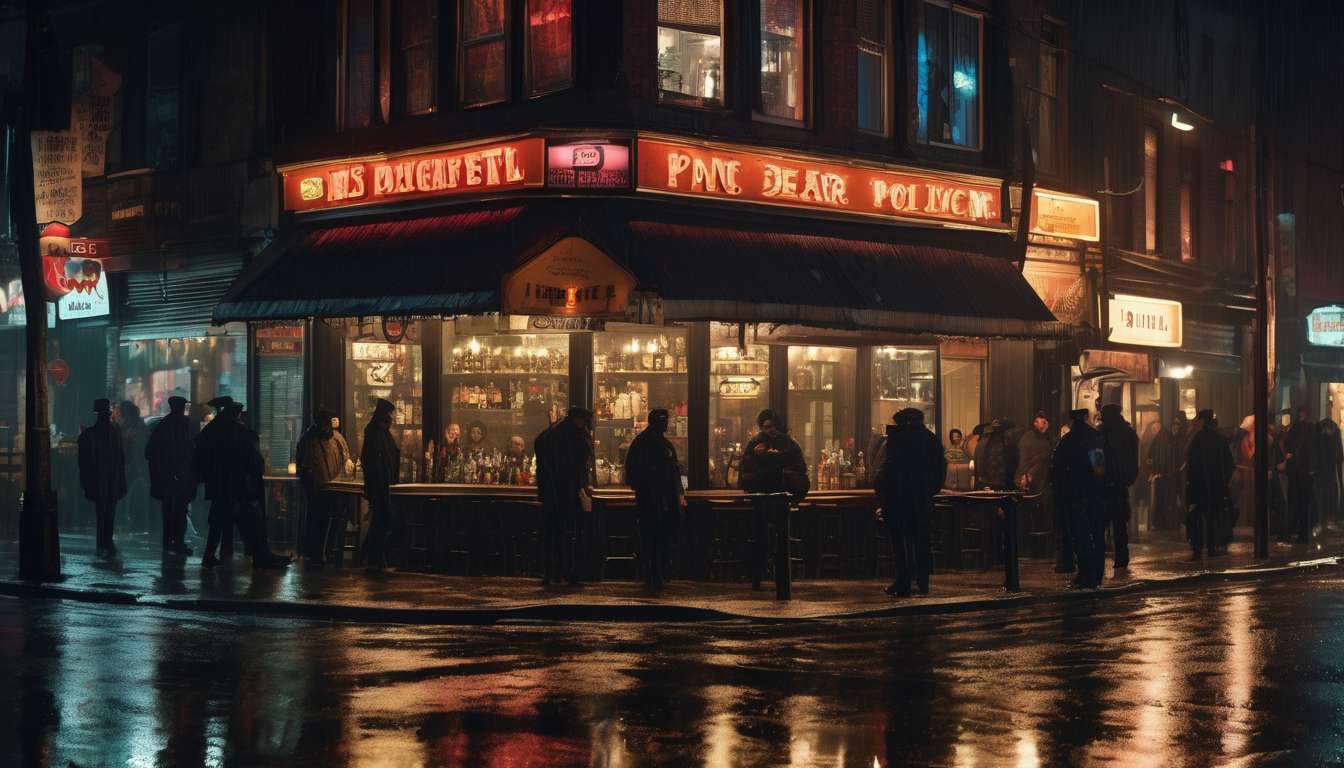
Changing alcohol policies impact adult nightlife establishments
Nothing tastes quite like the hum of a city that wakes up at night. As we stroll past neon-lit facades we sense how policy has rewritten the recipe of our evenings. Regulation is the seasoning of nightlife, and that idea frames how we interpret recent shifts in alcohol rules: subtle changes can transform atmospheres, behaviors, and business models.
Venues have adapted in concrete ways. We have watched establishments adjust their drink menus, change operating hours, and rethink crowd management in response to licensing reforms, taxation tweaks, and enforcement crackdowns. What used to be routine permits and happy hours now carry strategic weight for owners, staff, and patrons alike.
Competing priorities shape the new after-dark social contract. As community groups, policymakers, and entrepreneurs press priorities—public safety, revenue, cultural vibrancy—we find ourselves navigating trade-offs that affect where, when, and how adults socialize at night.
This article examines those shifts and their effects. It looks at how changing alcohol policies are reshaping nightlife establishments, and what those transformations mean for the people who make and inhabit our evenings.
Policy Shifts and Trends
Policy shifts are reshaping nightlife operations.
We’ve seen extended service hours, stricter licensing, and new server-training mandates that change how venues operate. We are tracking how changes to licensing hours affect venue viability and staff scheduling, and we share lessons so everyone can adapt inclusively.
There is a push toward standardized responsible service training.
- Training builds common expectations across venues.
- It helps staff protect guests while fostering a shared culture of care.
Alcohol taxation debates are changing pricing and strategy.
- Tax changes affect pricing, customer flow, and margin strategies.
- By discussing tax scenarios together, we reduce uncertainty and find collective responses.
We are pooling experiences to support smaller operators.
- Sharing insights on compliance costs and customer communication prevents smaller operators from being isolated.
- We acknowledge trade-offs: some rules ease competition while others raise overhead.
Our commitment is clear mutual support.
We aim to help the community make informed decisions as policies evolve, keeping nightlife welcoming, responsible, and sustainable.
Licensing and Operating Hours
We’re evaluating how permitting later service or narrowing opening windows changes staffing, safety plans, and nightly revenue.
Key practical ripple effects include:
- staggered shifts to cover different peak times
- changed peak staffing needs (more staff at later peaks or more concentrated teams if hours are condensed)
- varied security scheduling to match altered closing times
We acknowledge uncertainty and adapt policies to protect patrons while keeping venues viable.
To prioritize staff wellbeing we are:
- Expanding responsible service training for all front-line teams.
- Recalibrating rosters to avoid overworking staff during condensed or shifted hours.
- Monitoring fatigue and turnover indicators and adjusting schedules as needed.
To improve safety and incident response we are:
- Designing clearer incident-response plans tailored to new closing patterns.
- Collaborating with local authorities and transport providers to ensure safe dispersal at changed closing times.
- Adjusting on-site security deployment and communication protocols.
To manage administrative and regulatory responsibilities we are:
- Revising permit applications and operating documents when licensing hours change.
- Documenting compliance and any mitigation measures to demonstrate responsible operation.
- Using records to build trust with regulators and the community.
To maintain community relations and operational resilience we are:
- Committing to transparent communication with neighbors and regulars about schedule changes.
- Creating a shared rhythm that respects local norms and mitigates nuisance impacts.
- Considering broader policy drivers (for example, changes to alcohol taxation) that affect financial viability and staffing decisions.
Overall, by centering collective safety, trained staff, and reliable operations, we aim to keep our spaces welcoming while navigating policy shifts that affect hours, staffing, and revenue.
Taxation and Pricing Pressure
Many venues are seeing tighter margins as higher taxes and supplier price hikes push us to rethink drink pricing, portion sizes, and promotional strategies.
We’re adjusting menus and happy hour timing so our community still feels welcome without eroding margins. When alcohol taxation rises, we share clear explanations with staff and patrons, framing changes as necessary to keep doors open and nights lively.
We coordinate shifts to align with licensing hours and use targeted promotions during permitted periods to protect revenue. This includes:
- Smarter bundling.
- Smaller pour options.
- Loyalty offers that reward regulars.
We invest in responsible service training so staff can manage sales safely and confidently while preserving guest experience.
Together we balance financial realities with the social fabric of our venues. By communicating openly with our teams and patrons, and by making incremental, thoughtful pricing choices, we protect both livelihoods and the welcoming atmosphere that keeps our community coming back.
Enforcement and Compliance Effects
As enforcement ramps up, we’re adapting operations and record-keeping to ensure compliance without sacrificing the guest experience.
We’re reviewing staffing rosters, incident logs, and point-of-sale reports to align with updated licensing hours and inspection expectations.
Clear documentation reduces friction during audits and helps preserve our reputation as trusted community gathering places.
We’re investing in responsible service training for all front-line team members so they feel confident intervening when needed and supported by management.
That shared competence strengthens our bonds with regulars and newcomers alike, showing we care about safety and good times.
We’re also tracking policy shifts such as changes in alcohol taxation that affect pricing and reporting.
By communicating transparently with patrons about why prices change, we maintain loyalty and trust.
Enforcement can feel adversarial, but by working as a team, sharing best practices, and staying proactive, we protect our license to operate and the sense of belonging that keeps guests coming back.
Venue Design and Crowd Flow
We rethink layout and circulation to keep crowds moving smoothly, reduce bottlenecks, and improve overall safety and comfort.
We design entryways, bars, and rest areas so people feel welcome and connected, recognizing that changes to licensing hours shift peak arrival times.
By mapping guest flow, we allocate space for queuing and socializing without isolating anyone, fostering a sense of belonging while managing density.
We coordinate with local authorities to align physical changes with policy adjustments, such as staggered closing times tied to licensing hours, so exits and transport access handle load safely.
We integrate clear sightlines, scalable seating, and wayfinding that respect accessibility and reduce confrontation risks.
We prioritize collaboration with staff on implementation, ensuring layout supports responsible service training outcomes.
We factor in fiscal considerations, such as alcohol taxation effects on consumption patterns, when planning capacity and service points so venues remain sustainable and inclusive as policies evolve.
Staff Training and Safety Protocols
We train staff in de-escalation, crowd management, and emergency response so they’ll act confidently and consistently as policies and peak times change.
We build onboarding and refresher sessions around responsible service training and local rules about licensing hours so every team member understands legal limits and their role in upholding them.
We pair scenario-based drills with clear checklists for shift leads, creating predictable routines that reduce stress and strengthen camaraderie.
We address operational impacts of alcohol taxation by updating point-of-sale procedures and communication scripts, so staff can explain price changes without friction.
We create buddy systems and rotating rest breaks to sustain vigilance during long shifts.
We document incidents in a shared log to learn together and adjust protocols.
We encourage staff input on safety measures, celebrate compliance wins, and provide mental-health resources.
By investing in practical skills, transparent policies, and mutual support, we keep patrons and colleagues safer while fostering a workplace where everyone feels respected and included.
Patron Behavior and Demand
We monitor how changes in pricing, availability, and enforcement shift when and what our patrons drink so we can adapt capacity, promotions, and service strategies accordingly.
We watch patterns after adjustments to licensing hours and observe crowd flow, peak ordering times, and drink choices.
When alcohol taxation rises or falls, spend-per-customer and preferred products change, so we recalibrate menu mixes and portioning to keep service smooth and fair.
We rely on responsible service training to ensure staff spot signs of intoxication and intervene consistently, preserving safety and the shared atmosphere our regulars value.
We share data across shifts and venues, so everyone feels part of the solution and can anticipate demand rather than react chaotically.
We test modest operational tweaks to balance revenue and wellbeing:
- Staggered seating.
- Timed happy hours.
- Expanded nonalcoholic options.
We measure outcomes by turnout, complaint rates, and repeat visits, and we iterate quickly so our space remains welcoming, responsible, and economically viable for the community we serve.
Cultural and Economic Outcomes
We track how policy shifts shape neighborhood nightlife cultures and local economies, so we can support traditions, preserve livelihoods, and adapt to changing demand.
When licensing hours change, we notice rhythms shift:
- Later closings can boost late-night venues and musicians.
- Earlier cutoffs often push social life into private settings.
We’re attentive to how communities value nightlife as cultural glue and income for bartenders, DJs, and venue owners.
We emphasize practical measures like responsible service training to protect staff and patrons while maintaining welcoming spaces.
- Shared training programs build trust among businesses and residents.
- These programs make policy transitions smoother.
Changes in alcohol taxation alter pricing, consumer choices, and venue margins; we monitor these effects to advocate for balanced approaches that prevent unfair burdens on small operators.
Together, we’ll weigh cultural vibrancy and economic resilience, using evidence to recommend policies that keep neighborhoods lively, inclusive, and economically viable.
How have changes in alcohol policy affected rates of alcohol-related hospital admissions and emergency room visits linked to nightlife venues?
We’ve been asking how policy shifts changed alcohol-related hospital admissions and ER visits tied to nightlife venues.
We’ve seen mixed results:
- Tighter hours and stricter enforcement often cut nighttime injuries and intoxication cases.
- Relaxed rules can raise admissions.
Local context and enforcement matter:
- Outcomes are shaped by consistency of enforcement and the specific local setting.
- Complementary services also influence results, such as transport options and safe-drinking campaigns.
Next steps:
- Keep collaborating to track data.
- Share insights across stakeholders.
- Support complementary measures (e.g., transport, outreach, education) to promote safer nightlife for everyone.
What evidence exists on the long-term mental health impacts for nightlife workers (e.g., bartenders, security) following restrictive or liberalized alcohol policies?
We’ve found limited longitudinal evidence linking alcohol policy shifts to nightlife workers’ mental health.
Cohort and mixed-methods studies suggest restrictive policies can reduce acute stress and violence exposure.
Liberalization may increase burnout, anxiety, and substance use risk.
Supportive workplace practices, access to counseling, and peer networks buffer harms.
Overall, findings are mixed and context-dependent.
There is a clear need for longer-term, worker-centered research and interventions.
Have any jurisdictions provided targeted financial support or transition assistance for nightlife businesses forced to close or significantly alter operations due to policy changes?
Governments provided targeted financial support.
- Examples included grants, low-interest loans, and wage subsidies aimed at nightlife venues forced to close or pivot.
- Short-term relief funds were also set up to meet immediate needs.
Support for staff and workers.
- Retraining programs and job-placement assistance helped displaced employees transition to new roles or re-enter the workforce.
Assistance with fixed costs.
- Rent or utility subsidies were negotiated with landlords or utilities to reduce venue overheads during closures.
Variation and limitations in support.
- Support varied widely by city and region and depended heavily on local advocacy.
- Programs often lacked clear eligibility rules and long-term planning, limiting their ability to sustain nightlife communities over time.
Conclusion
Shifts in alcohol policy reshape how nightlife operates — from licensing and hours to pricing and enforcement — and force venues to adapt design, staffing, and safety practices.
Those adjustments change crowd flow and patron behavior, with wider cultural and economic effects on nightlife districts.
Staying proactive with compliance, training, and consumer engagement helps you balance safety, profitability, and vibrancy so nightlife remains both enjoyable and sustainable as regulations evolve.
