
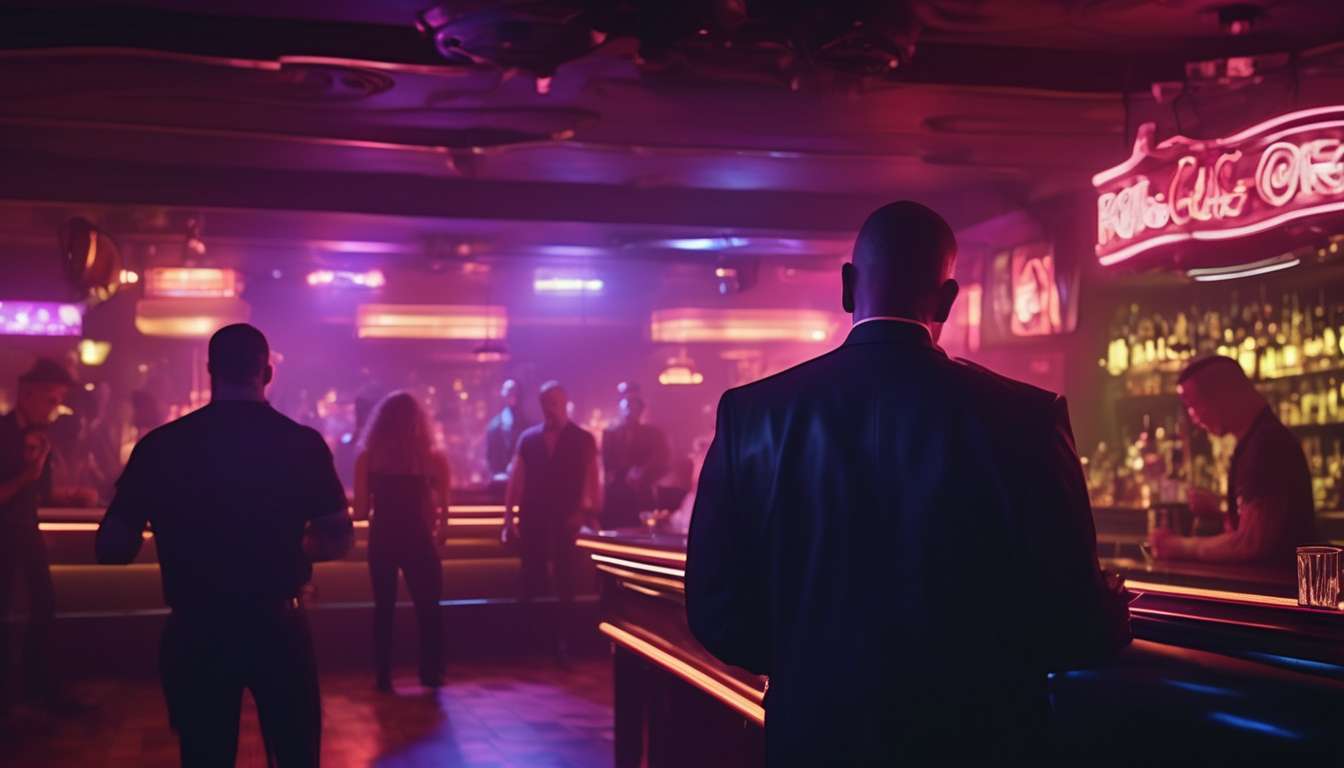
Social media policies challenge adult nightlife businesses
Vulnerability is a currency we trade nightly when we step into dimly lit rooms and hand our stories to strangers.
“We are what we share,” someone once said, and that aphorism hangs heavy over our booths, bars, and back rooms as social platforms and corporate policies begin to define who we can be visible to.
We are nightlife entrepreneurs and managers juggling ambience, safety, and reputation while algorithms and platform rules shape customer behavior and employee expression.
We navigate takedowns, flagged content, and geotag restrictions that can erase hours of community-building in a single swipe.
We negotiate with staff about what can be filmed, counsel patrons on privacy expectations, and redesign marketing to satisfy opaque moderation standards.
As we strive to keep evenings vibrant and profitable, we must also translate legalese and platform culture into practical policies that preserve atmosphere without silencing the very spontaneity that fuels our businesses.
This balance is our new, nightly responsibility.
Policy pressures on venues
We face growing policy pressures that force venues to monitor patrons’ online behavior, adjust marketing practices, and change event programming to stay compliant.
We know these shifts can feel isolating, so we work together to protect our community while keeping our doors welcoming.
We prioritize patron consent for photography and recording.
- Clear signage and staff reminders are standard practice so everyone feels respected.
- Contracts with promoters and performers are updated to reflect privacy expectations and consent protocols.
We train teams to recognize harmful sharing and coordinate with platform content moderation when necessary.
- Training balances safety with patrons’ right to express themselves.
- Incidents are documented to refine policy and response procedures.
We limit geotagging prompts during sensitive events.
- Guests are advised about location risks.
- Location-based marketing may be paused when it could expose identities.
We chip away at uncertainty by sharing best practices among venues, creating a network that reinforces trust and accountability.
Together, we adapt to policy demands without sacrificing the sense of belonging that keeps our community alive.
Content moderation impacts
Moderation decisions on social platforms directly shape what our audiences see, who gets silenced, and how incidents at our events are handled.
We believe content moderation policies can protect community safety but also erase the context we rely on to build trust.
When posts about our nights are removed or accounts restricted, regulars lose touch and newcomers miss the vibe we cultivate.
We want clear rules that respect patron consent while preserving community memory.
- Encourage guests to opt in to being photographed or filmed.
- Explain clearly when posts might be flagged and why.
We ask platforms to recognize venue context—artistic expression and consensual adult settings differ from harmful content.
Geotagging policies matter too: removing location data can protect privacy but also fragments local networks and discovery.
We need cooperative solutions with platforms that balance safety, consent, and connection so our spaces remain welcoming, accountable, and visible to the people who belong here.
Staff filming and privacy
Policy goal: Protect guests’ privacy and meet our duty of care while allowing staff to capture atmosphere in a respectful, controlled way.
Designated filming rules
- Designated zones and times. Staff may only film in pre‑approved locations and during established time windows.
- No covert recording. Covert or secretive filming is strictly prohibited.
- Visible identification. Staff must wear visible recording badges when filming.
Consent and notice
- Verbal notice. When approaching individual guests, staff must give a clear verbal notice before recording.
- Signage. Post clear signs in areas where filming may occur so guests are informed in advance.
- Opt‑out mechanisms. Provide and respect easy opt‑out options; staff must comply immediately if a guest declines.
Location data and geotagging
- No automatic geotagging. Automatic geotagging of sensitive areas is banned.
- Strip location metadata. Staff must remove location metadata from files unless explicit permission to retain it is recorded.
Content handling and moderation
- Mandatory review. All footage intended for public use must undergo content moderation before posting.
- Moderation standards. Review focuses on dignity, consent, and legal/privacy risks; remove or redact sensitive content as required.
- Escalation path. Establish a clear escalation route for uncertain cases or potential privacy breaches.
Removal requests and complaint handling
- Respond promptly. Train staff to accept and act on requests to remove footage immediately.
- Escalate serious concerns. Privacy complaints or requests that cannot be resolved on the spot must be escalated to the designated privacy lead.
Training and accountability
- Mandatory training. Staff must complete training on consent, privacy, metadata handling, and removal procedures.
- Enforcement. Define consequences for non‑compliance and assign responsibility for monitoring adherence.
Values alignment
- Respect and trust. Policies should reflect our commitment to dignity, safety, and trust for both patrons and colleagues.
- Transparent communication. Make policies accessible so everyone understands how and why filming is conducted responsibly.
If you’d like, I can draft this as a short one‑page policy document, a staff checklist for on‑shift use, or sample signage and verbal scripts for staff to use when requesting consent. Which do you prefer?
Patron consent challenges
Many patrons feel uncomfortable giving on‑the‑spot permission, so we need clear, respectful processes that make consent easy to give, withdraw, and document.
We build policies that prioritize belonging by treating consent as an ongoing conversation, not a one‑time checkbox.
Staff training and behavior
- Train staff to ask calmly and explain how images will be used.
- Teach staff to record patron consent with minimal fuss so people feel seen and safe.
- Provide staff scripts and quick‑reference guidance for common situations.
Making consent easy to manage after the fact
- Create simple online forms where patrons can view, grant, or withdraw permissions.
- Offer in‑venue QR codes that link to those forms for later management.
- Ensure the forms are accessible and straightforward to reduce barriers.
Content moderation and takedown procedures
- Tighten moderation rules to remove images when patrons change their minds.
- Flag content captured during private moments and prioritize swift takedown for disputed material.
- Maintain clear, documented timelines for review and removal requests.
Balancing promotional needs with individual dignity
- While respecting promotional uses, center patron consent in every decision.
- Balance community exposure with individual dignity by defaulting to conservative use when in doubt.
- Require explicit opt‑in for promotional campaigns rather than relying on implied consent.
Transparency and trust
- Make consent processes transparent, reversible, and easy to find.
- Publicize how to grant and withdraw permission so patrons know their options.
- By doing this, we strengthen trust, reduce conflicts, and ensure our space feels welcoming for everyone.
Geotagging and location limits
We’ll limit precise location tags and set clear rules for when venue-level tagging is allowed so patrons aren’t inadvertently exposed or tracked.
We’ll require explicit patron consent before any post uses identifiable geotagging for individuals or small groups to ensure everyone feels safe and included.
Our policy balances visibility with privacy: venue-level tags can be used for general promotion, but content moderation will flag and remove posts that reveal private areas, backstage access, or patron identities without permission.
We’ll train staff to recognize risky tagging behaviors and to guide guests on posting responsibly.
- Offer non-identifying alternatives such as themed hashtags.
- Offer time-based tags (e.g., “show-night-8pm”) that don’t pinpoint individuals.
When incidents occur, we’ll act swiftly:
- Review reported posts.
- Notify affected patrons.
- Remove or edit content if consent wasn’t obtained or privacy is at risk.
We’ll document consent practices and moderation decisions to maintain transparency and trust.
By centering patron consent and prudent geotagging limits, we’ll protect our community’s sense of belonging while respecting safety and privacy.
Marketing under moderation
We’ll promote events and performers while enforcing safety rules, ensuring our marketing boosts visibility without amplifying harmful or non-consensual material.
We balance bold promotion with clear content moderation standards so everyone feels welcome and protected.
We craft posts that highlight performers, themes, and inclusive community moments, and we avoid sharing images or videos unless we have explicit patron consent.
We train staff to obtain and document consent, and we use platform tools to restrict sharing when consent is absent.
We set geotagging practices that respect privacy and safety:
- Selective geotagging for public promos.
- Location suppression for private or sensitive nights.
We communicate transparently with our audience about why we moderate—safety, respect, and community trust.
We invite feedback and make appeals processes available for removed content, showing we value every voice.
Our approach keeps marketing effective while centering dignity, consent, and a sense of belonging for patrons and performers alike.
Legal risk management
We’ll identify and mitigate legal risks — such as liability for posted material, privacy breaches, and licensing issues — by implementing clear policies, staff training, and documented procedures.
We’ll define content moderation standards that reflect our values and legal obligations to keep the community safe.
- These standards will state what content is prohibited, escalation paths, and timeframes for review and removal.
- We’ll assign clear roles and responsibilities so everyone knows who reviews and removes problematic posts.
We’ll require documented patron consent for photos and recordings in sensitive areas.
- Use clear signage in those areas explaining recording rules and consent expectations.
- Include consent protocols in staff checklists and require staff to record or log when consent is obtained.
We’ll limit geotagging when needed to protect privacy and reduce venue-targeted risks.
- Establish rules for when and how location tags may be used on official channels.
- Restrict or disable geotagging for sensitive events/areas and communicate those limits to staff and performers.
We’ll maintain records to demonstrate due diligence.
- Keep logs of takedown requests, documented permissions, and licensing agreements.
- Retain audit trails of content removals and decisions.
We’ll train staff and run periodic audits.
- Train staff to spot privacy breaches, copyright issues, and hostile content.
- Conduct regular audits of social accounts and moderation practices to ensure compliance and consistency.
Together, we’ll create predictable, enforceable practices that keep patrons, performers, and staff protected while fostering trust and belonging.
Building resilient practices
We’ll build resilient practices by standardizing procedures, diversifying backup systems, and continuously testing our response to incidents so the business can recover quickly and reliably.
We’ll create clear, shared protocols for content moderation that staff can follow under stress, so everyone feels supported and confident when removing or flagging posts.
We’ll document steps for verifying patron consent before posting images or using geotagging, and we’ll train teams to pause and confirm rather than assume consent.
We’ll spread responsibilities across roles and platforms, avoiding single points of failure by keeping redundant logins, offline backups, and a crisis contact list everyone knows.
We’ll run regular drills that simulate takedown requests, privacy complaints, and account compromises, then update our guides based on what actually worked.
We’ll invite staff input, celebrate practical improvements, and make resilience a group effort so we all share ownership of reputation, safety, and continuity.
How can venues practically train staff to balance safety, customer service, and enforcement of social-media-related rules without creating a hostile atmosphere?
Train staff to balance safety, service, and social-media rules without creating hostility.
Build clear, empathetic scripts.
Role-play common scenarios and coach de-escalation with steady body language.
Emphasize hospitality-first responses.
Celebrate wins and rotate duties so pressure is shared.
Gather staff feedback and update guidance collaboratively.
Reward calm, customer-centered enforcement to keep the venue welcoming and safe.
What affordable software tools or apps can nightlife businesses use to monitor online mentions and detect problematic content in real time?
Goal: Affordable tools to monitor online mentions and catch problematic content in real time.
Broad, low-cost options for general tracking:
- Hootsuite
- TweetDeck
- Buffer
- Google Alerts
- Mention
Affordable real-time alerting tools:
- Brand24
- Awario
Local reputation and review monitoring:
- Chatmeter
- Zoho Social
Recommended approach:
- Choose one primary listening app (pick from the lists above).
- Configure simple filters and keyword alerts to reduce noise.
- Maintain an incident log to record and track problematic mentions and responses.
- Assign clear roles so staff know who monitors alerts, who triages, and who escalates.
Key benefits of this setup:
- Cost-effective: uses free or low-cost tools rather than enterprise suites.
- Responsive: real-time alerts plus an incident log keep response timely and documented.
- Supportive for staff: simple filters and clear roles reduce overload and confusion.
How should businesses handle situations where influencers or high-profile patrons demand special treatment regarding filming or content removal?
We set clear, fair boundaries when influencers or high-profile patrons request special filming or content removal, and we communicate those boundaries calmly.
We explain our policies and offer reasonable alternatives, such as:
- escorted filming areas,
- time-limited posts,
- limited-frame or blurred content.
We document all agreements to ensure clarity and accountability.
We will not compromise others’ safety or privacy, and we enforce rules consistently to protect the community.
If necessary, we escalate to management and use written consent or denial to protect our team and preserve respectful relationships.
Conclusion
You’ll need to balance safety, compliance, and promotion as social platforms and local rules tighten.
Train staff on filming and consent.
- Teach employees how to ask for and document consent.
- Show proper camera handling and when recording is prohibited.
Limit geotag use.
- Avoid automatic or prominent geotags for sensitive events or areas.
- Use general location tags when necessary to protect patrons.
Craft marketing that survives moderation while protecting patrons’ privacy.
- Frame posts to meet platform rules and avoid prohibited content.
- Blur or anonymize patrons who haven’t explicitly consented.
Update policies with legal input.
- Consult counsel to align recording and publication policies with local laws.
- Revisit policies regularly as regulations and platform rules change.
Keep clear signage and use opt-in systems for recordings.
- Post visible notices about recording areas and posting policies.
- Implement opt-in mechanisms for patrons who agree to be filmed.
Anticipate content takedowns and prioritize consent to reduce legal risk.
- Prepare alternative marketing plans if content is removed.
- Prioritizing consent helps maintain trust and keeps your venue vibrant despite evolving social media pressures.
